


Necessary Factors To Make Your Warehouse Sustainable
Warehouses consume substantial resources each day, but thoughtful facility choices can reshape that relationship without weakening performance. Sustainability starts when managers view the property as one connected operation rather than a collection of separate systems. Every part of the warehouse influences how efficiently the facility uses its available resources.
A sustainable approach does not require an immediate transformation of the entire property. Progress develops through practical decisions that reflect actual warehouse conditions and operational demands. Managers can examine how the facility functions now and make purposeful changes that support a more responsible future.
Energy deserves close attention because warehouses often depend on large electrical systems for daily operations. Materials also move through these facilities at a rapid pace, with waste often present where managers may not expect it. With the necessary factors to make a warehouse sustainable, environmental responsibility can become a normal part of how the warehouse operates.
Understand How the Facility Uses Energy
Energy use can vary dramatically across different areas of a warehouse. Managers need an accurate view of facility demand before they decide where changes deserve attention. Utility records can reveal patterns that remain difficult to notice during normal operations.
An energy assessment gives those numbers greater context and helps explain why certain areas require more electricity. Managers can then connect actual demand with the equipment or facility conditions responsible for it. That knowledge creates a stronger basis for future decisions.
Strengthen the Warehouse Envelope
A warehouse can lose substantial energy when its exterior envelope no longer controls heat transfer effectively. Small gaps may seem insignificant until climate equipment must work harder across a large facility. Roof and wall conditions deserve regular attention as part of an effective sustainability strategy.
Insulation can also lose effectiveness as a facility ages or its operational needs change. A detailed assessment can reveal areas where outside temperatures have too much influence over interior conditions. Corrective work can then address the source of excess demand rather than compensate for it indefinitely.
Develop a Solar Strategy That Fits the Property
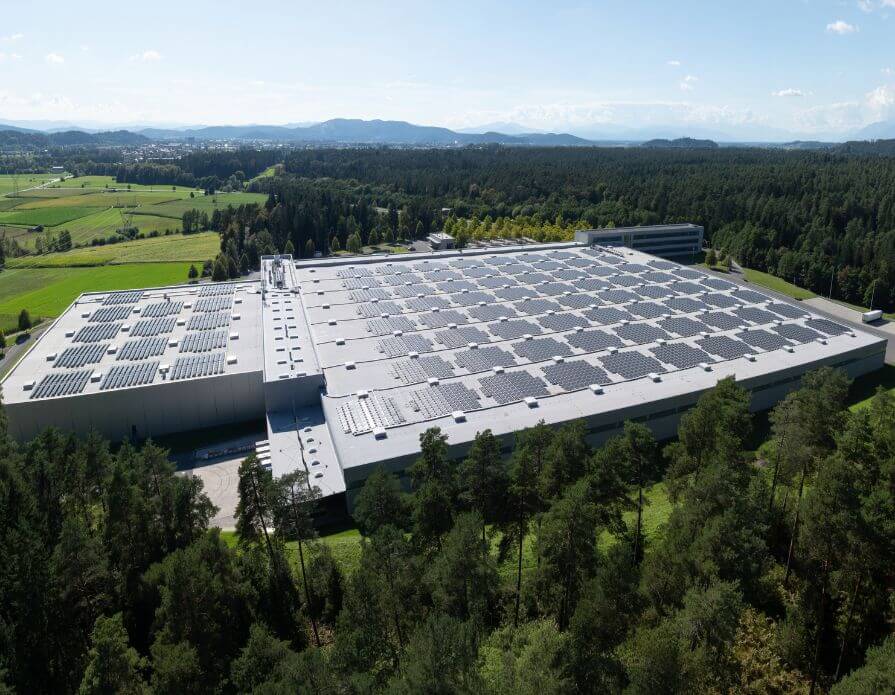
A large warehouse roof can provide valuable space for solar panels, but available area alone does not determine project success. The electrical infrastructure must support the proposed system and match the facility’s actual power profile. A professional assessment can establish whether the property offers suitable conditions.
Utility coordination also deserves attention before a commercial solar project moves forward. With the right commercial solar interconnection requirements, a warehouse can establish an effective connection between onsite generation and the electrical grid. Early preparation can prevent technical issues from disrupting the project later.
Match Equipment to Actual Warehouse Demand
Warehouse equipment should reflect the work a facility performs rather than provide unnecessary capacity that consumes excess power. Older machinery can also place considerable demand on electrical systems across regular shifts. Managers need to understand actual workloads before they make replacement decisions.
Modern equipment can respond more closely to real operational requirements when managers choose systems with appropriate capacity. That connection between equipment and workload matters because oversized machinery may consume resources without adding meaningful value. Thoughtful selection keeps facility needs at the center of each investment.
Give Warehouse Materials Another Purpose
Materials can move quickly from useful resources to waste when a warehouse lacks a clear approach to their next purpose. Managers should examine how products and support materials travel through the facility before disposal occurs. That perspective can reveal opportunities to keep resources useful within a broader economic cycle.
Learning how to build a circular city warehouse can reshape how facility leaders view the materials that pass through their operation. Instead of treating disposal as an inevitable end point, managers can consider how material value can remain within the system. The warehouse then becomes part of a wider resource network.
Pay Attention to Water Demand
Water consumption may receive less attention than electricity because many warehouses do not depend heavily on water for core operations. However, unnoticed leaks can create substantial waste over time across a large property. Regular facility reviews can reveal demand that normal daily observations fail to expose.
Managers should compare actual water use with the needs of the property rather than accept historical consumption as normal. A sudden change can indicate a problem that deserves prompt attention. Consistent oversight helps the warehouse maintain greater control over this important resource.
Let Warehouse Light Respond to the Space
A vast warehouse does not need the same level of light across every area at every moment. Some sections remain active throughout a shift, but others may sit empty for extended periods. The lighting system should respond to those differences rather than treat every space the same.
Modern fixtures can provide appropriate illumination without placing unnecessary demand on the electrical system. Controls can also adjust light use according to actual activity across the facility. The result creates a closer connection between energy demand and the way employees use warehouse space.
Create a More Natural Flow Through the Facility
Every unnecessary trip across a warehouse requires additional time and equipment energy. Poor layouts can make those trips routine without managers realizing how often they occur. A close look at movement patterns can reveal where the facility works against its own operational needs.
The best layout reflects how goods travel through the warehouse rather than how the space looked under an older plan. Operational demands change as inventory and customer needs evolve. Facility layouts should have enough flexibility to respond when those patterns no longer make sense.
Make Sustainability Part of Daily Warehouse Culture
A facility can invest in efficient systems without achieving its full environmental goals if employees remain disconnected from the strategy. Staff members interact with equipment and materials throughout every shift. Their daily experience gives them a valuable view of where unnecessary resource use occurs.
Managers can create stronger participation when sustainability feels relevant to normal warehouse work. Clear communication helps employees understand why certain practices matter without turning environmental goals into another complicated obligation. Over time, responsible resource use can become part of the facility’s established culture.
Use Real Performance Data to Shape the Future
Sustainability goals for a warehouse need evidence behind them, or managers may struggle to determine whether facility changes have produced meaningful results. Energy records can show how demand shifts after a major upgrade. Waste data can reveal whether operational changes affect material use across the warehouse.
Regular reviews keep the strategy connected to current facility conditions rather than assumptions from several years earlier. A warehouse changes as equipment and operational demands evolve. Performance data gives managers the clarity required to adjust the sustainability strategy when those changes occur.
A sustainable warehouse develops through decisions that respect how the facility operates. Managers need to understand resource demand before they commit to changes that may look effective on paper but fail under real warehouse conditions. That practical perspective turns sustainability into an operational strategy rather than an isolated environmental project.
No warehouse reaches its strongest environmental performance through one project alone. Consistent attention creates space for smarter decisions as the facility changes over time. A warehouse that treats sustainability as part of normal operations can build a more responsible relationship with the resources that support its work.