

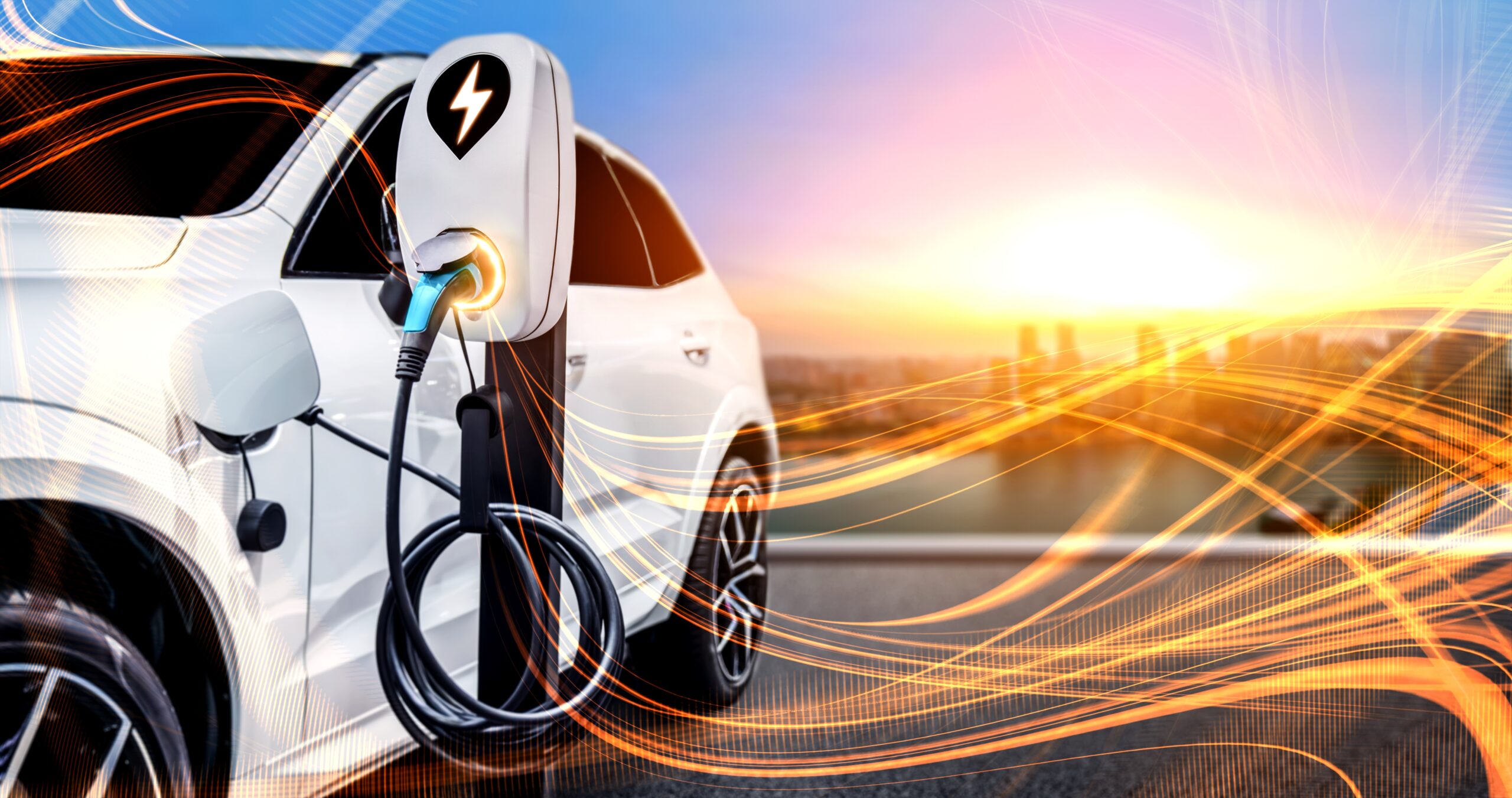
More EV Chargers Won’t Necessarily Make Transport More Sustainable
If you’ve noticed more electric cars on the road lately, you’re definitely not imagining it. EVs are taking off, with global passenger sales expected to reach around 23 million. Naturally, charging networks are having to keep up. By the end of 2025, more than 7 million public charging points were already in place worldwide, with almost 1.8 million added in a single year.
And all that is good news, because more chargers mean less worrying about where your next charge is coming from, easier long-distance trips and better options for people who cannot plug in at home.
But here is where things get a little more interesting—more chargers do not automatically mean more sustainable transport. A bigger charging network certainly helps make EVs practical, but there is a lot more to creating greener transport than simply putting more charging points on the map.
A charger is useful, but it is not the whole story
It is tempting to think of EV sustainability as a simple equation: replace petrol stations with charging stations, put more electric cars on the road, and voilà—greener transport. But real life is a little messier.
A charging station does not produce energy by itself. It draws electricity from the grid, and that electricity can come from very different sources. Charging an EV using electricity generated from renewable sources can have a very different environmental impact from charging one using electricity generated predominantly from fossil fuels. That does not make EVs pointless.
Far from it. EVs are generally much more energy-efficient than conventional vehicles, and the IEA estimates that road-transport activity can grow substantially while total energy demand rises much more slowly because of electrification. The bigger lesson is that the quality of the energy matters alongside the quantity of the chargers.
Bigger batteries are not automatically better
There is another piece of the puzzle, and it has to do with the vehicle itself. A large battery can give you impressive range, which sounds great when you’re planning a long road trip. The catch? More battery also means more weight, and a heavier vehicle needs more energy to get around.
So, the most sustainable EV isn’t necessarily the one with the biggest battery or the longest range. A smaller, efficient model that does what you actually need may make more sense than a huge electric SUV carrying a massive battery around town. Battery levels can also change when a vehicle isn’t even being driven. For instance, during shipping or other forms of transport, an EV may use some of its stored energy along the way.
If you’ve ever wondered what affects EV battery levels during transit, things such as temperature and the vehicle’s electrical systems can help explain why a battery may arrive with less charge than expected. It’s a useful reminder that EV efficiency isn’t just about the size of the battery, but also about what happens to the vehicle before, during and after a journey.
The smartest charger might be the one we don’t need
Adding thousands of chargers can make EVs easier to use, but it does not necessarily reduce how much people need to drive. If homes, workplaces, shops and essential services are far apart, people may still be spending a lot of time on the road, even if the car is electric.
That is why sustainable transport needs to look beyond the car itself. Good public transport, safer cycling routes, walkable neighbourhoods and car-sharing can all help reduce the number of journeys people need to make by car. Thoughtful urban planning can help too, by putting everyday essentials closer to where people live. Of course, that does not mean cars suddenly stop being useful.
For many people, especially those living in rural areas or places with limited public transport, driving is still essential. The bigger point is that switching from petrol to electric does not automatically mean we are travelling more sustainably.
If we can reduce unnecessary car journeys while also making the journeys we do need cleaner, we get much closer to genuinely sustainable transport. In other words, sometimes, the greenest journey is simply the one we do not need to make.
The upside
The good news is that the EV transition does not have to be perfect to be worthwhile. We already have millions of electric vehicles replacing petrol and diesel journeys, rapidly improving charging networks and continued advances in battery technology.
The challenge now is to think bigger than the charger itself. Sustainable transport is not just about how we power cars, but about how much we travel, what we travel in, where the energy comes from and how intelligently the whole system works together. More chargers are certainly part of the solution.
But the real win will come when we combine them with cleaner electricity, efficient vehicles, thoughtful city design and plenty of ways to get around without needing a car at all.