

How to Build a Sustainable Cleaning Routine at Home
Keeping a home clean can start to feel like a job that never ends. Dishes stack up, mail lands on the counter, shoes pile by the door, and before long, a quick tidy turns into an afternoon of scrubbing. Without a consistent plan, cleaning often happens in bursts, usually right before guests arrive or when the mess becomes impossible to ignore. That cycle is tiring, and it rarely leaves a home feeling fresh for long.
A sustainable cleaning routine breaks that pattern. Instead of relying on willpower and marathon sessions, it breaks the work into small, predictable steps that fit how you actually live. Whether you work long hours, share a busy house with kids and pets, or live alone in a small apartment, you can build a routine around your schedule, your space, and your household’s needs.
Here’s how to build one that lasts.
Start With a Realistic Cleaning Schedule
Cleaning routines most often fall apart because they ask too much, too soon. Trying to clean the entire house in a single day sets you up for burnout. A better approach is to sort tasks by how often they truly need attention.
Daily Tasks
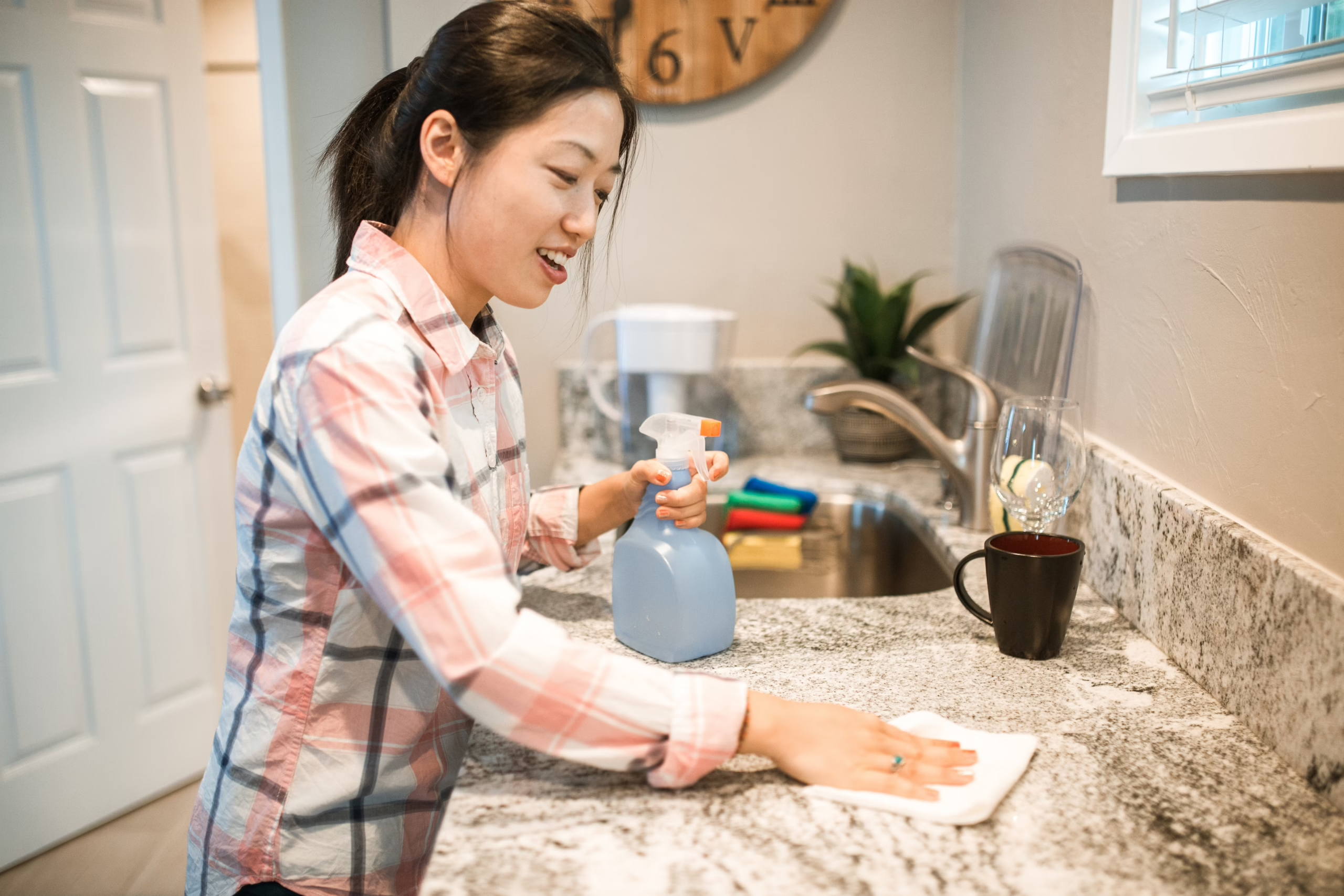
These are quick jobs that keep the home functional. Think washing dishes or loading the dishwasher, wiping down kitchen counters after meals, sweeping crumbs from high-traffic floors, and doing a short pickup of shared spaces before bed.
Weekly Tasks
Weekly chores take a bit more time but keep grime from settling in. This list often includes vacuuming and mopping floors, cleaning bathrooms, changing bed linens, dusting surfaces, and taking out recycling.
Monthly Tasks
- Monthly jobs cover easy-to-overlook areas, such as wiping baseboards, cleaning inside the microwave and refrigerator, washing windows, dusting ceiling fans, and vacuuming under furniture.
- When building your schedule, start with high-traffic areas and frequently used surfaces. Kitchens, bathrooms, entryways, and living rooms see the most activity, so they benefit most from regular attention. Light switches, doorknobs, faucet handles, and remote controls are also touched constantly and deserve a regular wipe.
- Most importantly, keep the plan manageable. Assign one or two weekly chores to each day, such as bathrooms on Monday and floors on Wednesday, and it’s far easier to stick with than a single exhausting cleaning day. A schedule you can follow consistently will always outperform an ambitious one you abandon after two weeks.
Develop Simple Daily Habits
Big results often come from small, repeated actions. A few minutes of daily upkeep can do more for your home than an occasional deep clean because it stops messes before they grow. Start with habits that take almost no effort:
- Wipe kitchen counters after cooking. Spills and splatters are much easier to remove while they’re fresh.
- Put items back where they belong. Putting keys, shoes, and dishes back in their spots keeps clutter from spreading across the house.
- Tidy common areas each evening. A five-minute reset of the living room, such as folding blankets, stacking magazines, and clearing cups, means you wake up to a calmer space.
- Handle mail right away. Recycle junk mail and file important papers before they pile up.
- Make the bed. It takes moments and instantly makes a bedroom feel more put together.
These habits work because of consistency. Dust, crumbs, and clutter accumulate gradually, and each small reset keeps that buildup in check. Over time, these actions become automatic, and your weekly chores become lighter because there’s simply less mess to tackle.
Use Efficient and Eco-Conscious Cleaning Practices
A sustainable routine is about more than staying consistent. It can also mean making choices that reduce waste and support a healthier home environment.
Switch to Reusable Supplies
One of the simplest changes is swapping single-use paper towels and disposable wipes for reusable cleaning cloths.
Microfiber cloths effectively trap dust and dirt, and you can wash and reuse them many times. Keep a small stack in the kitchen and bathroom for quick wipe-downs, and color-code them by room to help prevent germs from spreading from the bathroom to the kitchen.
Choose the Right Products for the Job
Not every surface needs a strong chemical cleaner. Many everyday messes respond well to mild, multipurpose products, while disinfectants can be reserved for high-touch surfaces like doorknobs and bathroom fixtures.
When shopping, look for concentrated or refillable products and recyclable packaging. The U.S. Environmental Protection Agency also offers guidance on identifying greener cleaning products, including how its Safer Choice label can help you spot products made with safer ingredients and why vague “green” marketing claims deserve a closer look.
Use Products Safely
Even eco-conscious products require careful use. Always read and follow label instructions, including recommended amounts, contact times, and ventilation guidance.
Never mix cleaning products, especially those containing bleach and ammonia, as some combinations can create harmful fumes. Store all supplies in their original containers, out of reach of children and pets. Using the correct amount of product also reduces waste and saves money, since more cleaner doesn’t always mean a cleaner result.
Make Cleaning Easier With Organization and Routine
Cleaning goes faster when you aren’t hunting for supplies or wondering whose turn it is to handle the bathroom.
Keep Supplies Organized
Store cleaning essentials close to where you’ll use them. Keep a caddy with cloths, a multipurpose cleaner, and a scrub brush under the bathroom sink so you can clean the bathroom in minutes without making a trip across the house.
A portable caddy also works well if you prefer to move room to room. Check your supplies regularly so you can restock before you run out.
Share the Responsibility
A clean home is easier to maintain when everyone pitches in.
Assigning household responsibilities helps spread the workload and builds accountability. Consider creating a simple chore chart or using a shared calendar app so each person knows what they’re responsible for each day or week.
Match tasks to ability and age.
Young children can put away toys, set the table, or sort laundry by color. Teens can vacuum, empty the dishwasher, or clean their own bathroom. Adults and roommates can rotate larger jobs, such as mopping or cleaning the kitchen, so no one person carries the heaviest tasks every week. When everyone contributes, nobody feels like they’re doing it all alone.
Know When to Seek Professional Cleaning Help
Even the most well-planned routine has its limits. Some jobs are demanding, time-consuming, or simply hard to fit into a busy week. That’s where professional cleaning services can make a meaningful difference.
Professionals can handle deep-cleaning tasks such as scrubbing grout, detailing kitchens, or cleaning hard-to-reach areas that often get pushed down the to-do list. They can also provide support during especially busy periods, such as moving into a new home, preparing for the holidays, recovering from an illness, or welcoming a new baby.
Many cleaning franchise companies offer flexible options, from one-time deep cleans to recurring visits, so you can choose the level of help that suits your home.
Before booking, think about what you actually need. Consider your schedule, home size, your household’s specific needs, and your budget. Some households benefit from a professional cleaning every few weeks to handle the heavy lifting while they manage daily upkeep.
Others may only need help a few times a year for a seasonal refresh. Professional support isn’t a replacement for your routine, but it can help keep it running smoothly.
A Cleaner Home Is Built One Habit at a Time
A tidy home doesn’t depend on perfection or endless weekends spent scrubbing. It comes from a rhythm you can keep up, even during your busiest weeks. When cleaning becomes a steady part of everyday life rather than an emergency project, it stops feeling like a burden and starts feeling like a natural way of caring for your space.
Start small, adjust as your life changes, and give yourself credit for steady progress. The goal is a home that feels comfortable and welcoming most of the time, without the stress of constantly playing catch-up.