


How Sustainable Mining Practices Source Eco-Friendly Materials for Construction
By Lou Farrell
The push for green building relies on the integrity of the supply chain. Raw materials such as copper and steel are essential for high-efficiency infrastructure and renewable energy grids. Traditional extraction methods often carry a high environmental cost that negates the benefits of the original project.
Today, developers are increasingly tracing materials back to their origins to ensure extraction aligns with decarbonization targets. The strategy lowers the total carbon footprint of new construction projects from the very start. Responsible procurement ensures that a building is sustainable before construction even begins.
1. Circular Economy Through Tailing Recovery
Traditionally, mine tailings were stored in massive impoundments, posing a risk of soil contamination in the local area. In recent years, these by-product materials have seen considerable improvements in their handling and repurposing.
Progressive mining institutions have adopted the practice of turning these crushed rocks into material components used to make concrete or aggregates. This innovation represents the potential for inventive circular production practices within the mining sector, which is notoriously wasteful and harmful to the environment.
Some silicate-rich tailings can be chemically reactive enough to partially replace traditional Portland cement in concrete mixes. However, how well this works depends on the specific minerals present and how the tailings are processed.
This substitution lowers the carbon intensity of precast concrete panels used in commercial skyscrapers. Using industrial by-products preserves natural topography by reducing the volume of virgin sand taken from riverbeds. It’s a practical way to source high-performance components.
There has also been a growing practice of converting the by-product of smelting metal ores, known as metallurgical slag, into bricks. The molten residue is quickly cooked and ground into a fine powder, then mixed with an activating solution and eventually converted into durable masonry units. This allows engineers higher access to robust, high-quality bricks while fewer materials take up landfill space.
2. Renewable Energy Integration on Extraction Sites
Powering remote extraction sites requires an immense amount of electrical energy. Historically, sites relied on diesel generators, a dependence that significantly increased the carbon footprint of structural metals.
Yet, there is a shift toward embracing renewable microgrids in these settings — harnessing wind and solar energy rather than relying on fossil fuels. This growing industry preference has enabled production processes with historically high carbon outputs to become far more sustainable.
Many sites are also beginning to utilize intermittent generation, which requires stabilization through utility-scale battery storage systems. Large-format battery installations store excess daytime power to keep plants operational overnight. Sourcing steel from an electrified facility provides a clear advantage to construction firms. Lower emissions at the source mean greener, cleaner buildings.
Coastal facilities employ solar desalination to fulfill water needs while protecting local agriculture. Procuring copper from these water-conscious sites enhances the sustainability metrics and proves that material durability does not require the degradation of natural resources. These materials are highly essential for sustainable urban growth and long-term environmental resilience.
3. Prioritizing Worker Safety
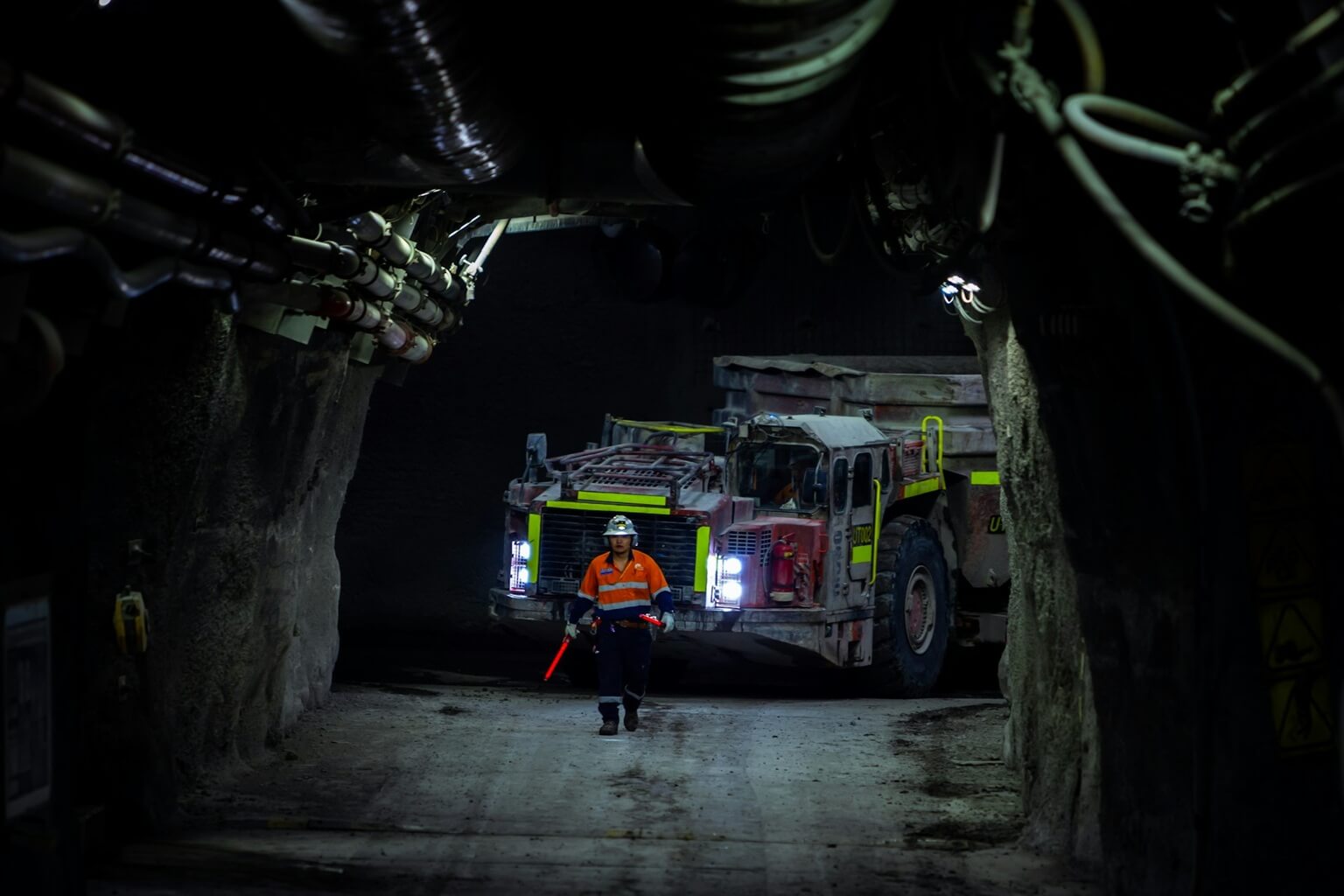
As important as reducing carbon emissions is, the sustainability picture is incomplete without accounting for worker safety. The mining sector is known for its dangers, with workspaces marked by heavy machinery and harmful chemicals that constantly permeate the air. Mining processes must emphasize structures and procedures that enable workers to operate safely and confidently.
Such considerations relate to both the ethics and efficiency of a supply chain. Prioritizing physical well-being fosters a stable workforce capable of operating complex machinery without error, a benefit that ripples through the chain’s productivity.
Implementing advanced monitoring systems is an effective way of maintaining rigorous safety standards at a facility without the need for constant manual oversight. Institutions that adopt atmospheric testing and automated sensors can detect instabilities before they occur, allowing them to address issues before they turn into operational catastrophes and halt the supply chain.
A proactive approach to facility management and risk assessment can help handle potential hazards. It also reduces the need for reactive, emergency repairs, which are often far more costly than more preemptive measures.
Improving site ergonomics also enhances material consistency. Operators using automated machinery or remote-controlled loaders face fewer hazards. This safety culture reduces workforce turnover and operational downtime, resulting in more skilled workers and higher-quality output.
4. Closed-Loop Water Stewardship
In mineral-rich areas, water scarcity is often a prominent concern. This is because extracting ores requires large volumes of liquid to wash and chemically separate the ores, which, in a suboptimal facility, can lead to hazardous runoff entering local aquifers. Advances in operations have addressed this by implementing closed-loop water infrastructure that filters the water for recycling back into the process.
A revolutionary innovation in sustainable waste management is dry stacking. Instead of pumping wet slurry into dams, operators press moisture out of the waste rock. The dry material is safely stacked, substantially reducing the risk of dam breaches compared to conventional wet storage methods.
Materials derived from dry stacking facilities are increasingly attractive to developers, as they enable high-density residential projects to carry the “eco-friendly” label, minimizing impact and maximizing market value.
Embracing Sustainable and Forward-Thinking Mining Practices
Developing and adopting innovative sustainable mining practices has considerable benefits across the industry. The construction landscape has seen increased adoption of sustainable components and effective waste management.
However, advancements in material sourcing methods offer the potential for buildings to be assembled through an entirely green process, from start to finish. By embracing this shift in ethical material sourcing, the construction and mining industries can build resilience that extends beyond their own operations.
Lou Farrell
Lou is the Senior Editor of sustainability and technology for Revolutionized Magazine. He has
over 4 years of experience crafting compelling articles on a variety of topics, from energy
efficiency trends to eco-friendly construction. He loves to write, and is passionate about sharing
his knowledge with others.