

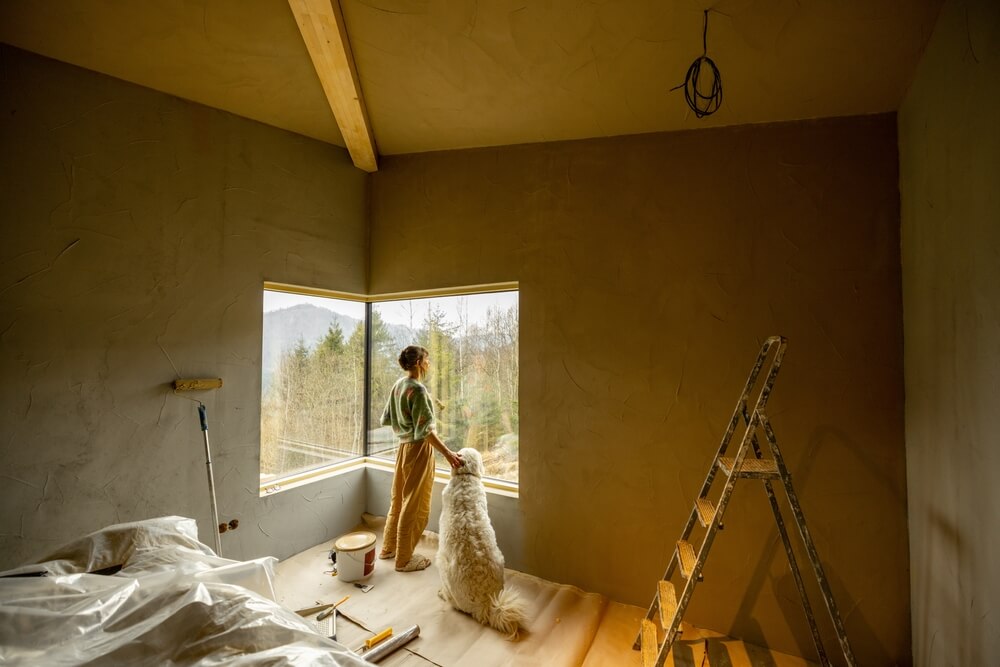
The Hidden Environmental Cost of Home Renovations
Home renovations can transform outdated properties into beautiful and functional spaces. However, beneath the fresh paint and modern finishes, these projects often leave an environmental footprint that many property owners overlook. The excitement of creating a new space can make it easy to forget what happens to the materials removed during construction.
Even relatively small improvements can have unexpected consequences. A simple bathroom renovation may produce more debris than expected, especially when contractors replace functional materials. Without careful preparation, the hidden environmental cost of home renovations can create problems far beyond the property itself.
Fortunately, responsible renovation practices can reduce these effects without compromising the finished result. Property owners who understand the environmental consequences of their decisions can approach renovations with greater awareness. The goal is to create a beautiful space without unnecessary waste or excessive resource consumption.
Construction Waste Has a Greater Impact Than Expected
Home renovations often generate far more waste than property owners anticipate. Materials removed during construction can quickly accumulate, especially when contractors replace entire sections of a property. Much of this debris eventually reaches landfills despite its potential value.
The problem becomes more serious when waste disposal receives little attention during project preparation. Contractors may discard materials without considering whether they can be reused. This unnecessary waste increases renovations’ environmental impact and puts additional pressure on disposal facilities.
Demolition Often Destroys Materials That Still Have Value
Demolition can cause substantial environmental damage before renovation even begins. Contractors sometimes remove functional materials simply because they no longer match the desired appearance. As a result, valuable resources end up discarded despite their potential for continued use.
A more thoughtful demolition process can prevent unnecessary destruction. Contractors should evaluate the condition of existing materials before deciding whether complete removal is necessary. Preserving functional components reduces waste and helps property owners avoid unnecessary purchases.
Improper Waste Disposal Can Damage Local Ecosystems
Construction debris does not disappear once it leaves a renovation site. Improper disposal can create environmental problems when materials reach locations that cannot handle them safely. These consequences may extend far beyond the property where the renovation occurred.
Learning how dumpster rentals offer a cost-effective way to protect the environment will help property owners understand the importance of responsible construction waste disposal. A suitable dumpster provides a designated place for approved debris throughout the renovation. This approach can reduce the environmental consequences associated with construction debris.
New Construction Materials Have Hidden Environmental Costs
The environmental impact of new construction materials begins before they reach a renovation site. Manufacturers consume natural resources and energy throughout production, and some processes generate substantial emissions. Property owners often don’t see these environmental costs.
A newly installed surface may look impressive, but its appearance reveals little about the resources required to produce it. Replacing an existing material can create unnecessary environmental pressure when restoration remains practical. Property owners should consider whether new materials offer enough value to justify their environmental footprint.
Water Waste Can Become a Serious Environmental Problem
Water consumption often receives less attention than construction debris during home renovations. However, inefficient construction practices can waste substantial amounts of water throughout a project. This unnecessary consumption can place additional pressure on local water resources.
The problem can continue after construction ends. A poorly installed plumbing fixture may waste water for months before the property owner notices anything unusual. Careful installation and proper inspections can prevent these problems from becoming persistent environmental concerns.
Energy Consumption Extends Beyond the Renovation Site
Home renovations require considerable energy before the finished space becomes available for use. Construction equipment relies on electricity or fuel, and inefficient processes can increase consumption. These demands contribute to a renovation’s overall environmental footprint.
The environmental impact can become greater when construction takes longer than expected. Delays may require contractors to operate equipment across additional workdays without meaningful progress. Better project coordination can reduce unnecessary energy consumption and help prevent avoidable emissions.
Replacing Functional Materials Creates Unnecessary Waste
Outdated materials do not always need complete replacement. Many property owners remove functional features because they prefer a different look, even when restoration is still possible. This decision can create unnecessary waste and increase demand for new products.
Consider restoration before contractors recommend complete replacement. A durable surface may regain its appearance through professional repairs without extensive demolition. Preserving existing materials can reduce a renovation’s environmental impact without compromising the result.
Sustainable Renovations Require Thoughtful Decisions
Environmentally responsible renovations require more than products advertised as sustainable. Some materials carry substantial environmental costs despite their eco-friendly reputation. Property owners should evaluate whether each improvement genuinely reduces unnecessary resource consumption.
These eco-friendly home renovations are the best options to consider when property owners want to preserve existing resources without sacrificing functionality. However, the most responsible choice depends on the property’s condition and the project’s requirements. Careful decisions can help prevent future renovations from repeating the same environmental mistakes.
Poor Project Preparation Can Increase Construction Waste
A renovation without adequate preparation can produce unnecessary waste before contractors complete the first major improvement. Unexpected design changes may leave purchased materials unsuitable for the revised project. These mistakes can increase environmental pressure and add costs.
Accurate preparation helps prevent avoidable waste. Contractors who understand the project’s requirements can make better decisions about material quantities and construction procedures. A clear renovation plan also reduces the likelihood of unnecessary demolition or repeated work.
Responsible Renovations Should Consider Future Environmental Impact
The environmental consequences of home renovations can continue long after construction ends. Materials that fail early may require replacement sooner than expected. This creates additional waste and increases demand for resources that another renovation will consume.
Durability should remain an important consideration throughout the project. Property owners who prioritize lasting improvements can reduce the likelihood of frequent repairs or premature replacements. A responsible renovation should remain functional for years without creating unnecessary environmental burdens.
Home renovations can transform properties, but their environmental impact deserves careful consideration. The materials removed during construction represent resources that required energy and effort to produce. When property owners overlook these consequences, even modest improvements can contribute to unnecessary environmental damage.
A more responsible approach starts with understanding how renovation decisions affect natural resources. Careful preparation can prevent unnecessary waste, and proper disposal practices can reduce the environmental impact of construction debris. Preserving functional materials also lets property owners make better use of existing resources.