


The Green Supply Chain: Why Every Step, From Sourcing to Shelf, Matters for a Healthier Planet
By Beth Rush
Many products you use, from smartphones to shampoos, are the result of a complex global supply chain that involves sourcing raw materials, manufacturing, shipping, and distribution.
Production practices were once more hidden from consumers, along with their negative impacts, including carbon emissions, pollution, and resource depletion. A green supply chain serves as one answer to these problems. This model redesigns all parts of the process to create a sustainable supply chain management system that is healthier for the planet.
What Is Sustainable Supply Chain Management?
A traditional supply chain prioritizes speed and low costs, to the detriment of the environment. On the other hand, green supply chains emphasize environmental ethics and social responsibility throughout the process. Its goal is to be an active contributor to ecological well-being.
This change is important because a company’s environmental impact lies in its supply chains. Greening the supply chain system can create meaningful, long-term change.
Deconstructing the Green Supply Chain
Here is a closer look at the step-by-step greening process of supply chains.
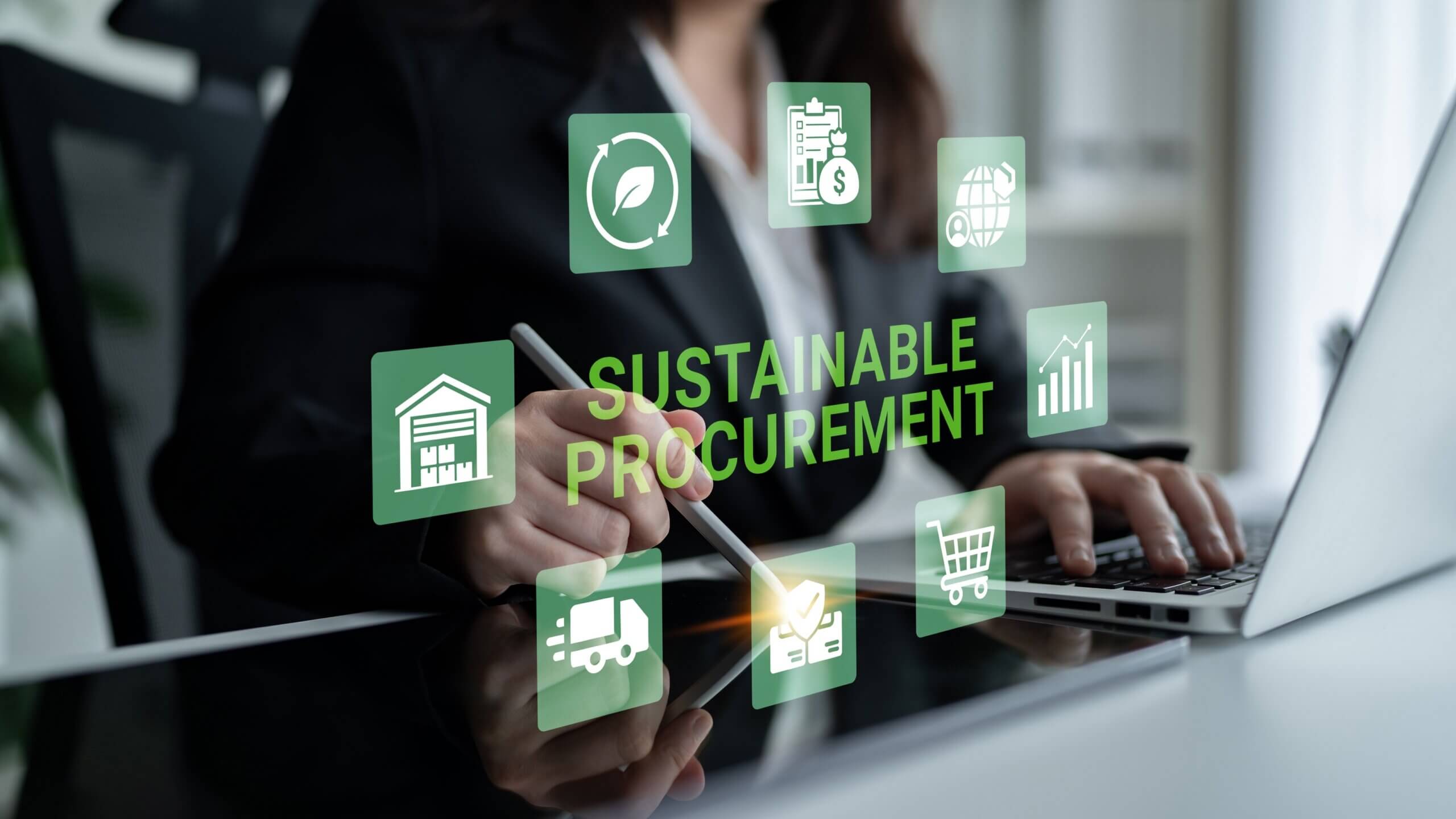
1. Sustainable Procurement
Companies can move beyond traditionally extractive practices to using renewable materials such as bamboo or cork. High recycled content, such as rPET plastics and post-consumer paper, is also a great option. When using raw materials, verify that suppliers comply with environmental standards, such as those set by the Forest Stewardship Council.
Prioritizing suppliers with fair labor practices and community engagement can also go a long way to ensure sustainability. For smaller factories, buying local is a good strategy to bolster the local economy and lower transportation costs.
2. Eco-Friendly Manufacturing
Manufacturing processes can become more eco-friendly by using renewable energy and reducing waste, as well as water and energy needs. For instance, on-site solar panels can power factories. Closed-loop water systems can also be adopted. These systems recycle and treat water internally. Improving a facility’s energy consumption by at least 25% can also result in tax deductions.
3. Sustainable Logistics and Distribution
Rethinking how goods are moved can significantly lower a company’s carbon footprint. Advanced route optimization software is one of the best strategies. It calculates paths for trucks carrying cargo that reduce fuel use and backhauling.
Lower-carbon options, such as rail and sea freight, are also effective ways to reduce emissions when shipping to far places. Finally, adopting electric vehicles for last-mile delivery fleets can eliminate local emissions.
4. Circularity and End-of-Life
A green supply chain shouldn’t end after the product is sold. Instead, people should consider the product’s entire life cycle. A circular economy focuses on creating a regenerative system that ensures durable products and enables their extended lifespan. Products should be designed for repairability and disassembly, with components that can be reused or recycled.
These efforts all help create a positive impact on the environment. Beyond being an ethical choice, this circular approach is a key differentiator in a crowded marketplace. On the business side, 66% of consumers factor sustainability efforts into their purchase decisions. This creates a clear business case for investing in end-of-life solutions.
The Benefits of a Green Supply Chain
Adopting sustainable practices is a strategic business decision. For instance, green processes are significantly less wasteful than traditional processes. Reducing energy consumption, minimizing water, and using less packaging directly result in lower operational costs and higher profit margins.
Companies can also solidify their brand reputation and ensure customer loyalty by differentiating themselves from competitors. After all, many young people like supporting ethical companies that are genuinely committed to the environment. This can also help attract top talent, especially those who are passionate and purpose-driven.
Most importantly, green processes reduce long-term environmental risks. For example, global warming can be mitigated by reducing harmful practices, as can other major threats, like climate change, biodiversity loss, pollution, rising sea levels, oil spills, and resource depletion.
Additionally, businesses become more equipped to handle future challenges by proactively planning for the long term. For instance, as governments worldwide introduce stricter environmental regulations, companies with green supply chains are already compliant, avoiding potential fines and the need for costly, reactive changes.
They also reduce their dependence on volatile resources like fossil fuels, making them more resilient to price shocks and scarcity. This foresight transforms potential crises into a competitive advantage.
Eco-Friendly Practices in Action: A Case Study
The beverage industry has created significant green supply chain innovation in recent years. In a 2022-2023 report by the Environmental Protection Agency, as much as 2 billion pounds of production-related waste was managed in 2020.
These innovations arose from environmental issues such as water consumption, agricultural sourcing, and wasteful packaging. Leading companies implemented water stewardship programs that return more water to watersheds than they use. Regenerative agriculture is also used when sourcing grains, fruits, and botanicals. As a result, soil health and biodiversity improve.
There is also significant investment in a circular economy. Many companies are encouraging consumers to recycle or turn in used cans and bottles. Other green initiatives include lighter-weight glass bottles, plant-based plastics, and adding ways to reuse aluminum.
How to Be a Conscious Consumer
Consumers also play a significant role in green supply chains. You wield your power through your dollar votes and purchasing choices by determining which products succeed. Seek out brands that genuinely initiate sustainable practices with full transparency. Do this by looking at trusted, third-party certifications on packaging, such as Fair Trade, USDA Organic, and B Corp. These organizations verify companies’ claims.
Consumers can also choose products that have minimal, compostable, and highly recyclable packaging. Prioritize sustainable packaging practices to better identify eco-friendly products in stores.
Preferring one brand over another might seem like a simple choice, but this choice sets off a chain reaction. When a sustainable company succeeds, the other companies follow suit until these practices become industry standard. One choice can produce large-scale success.
Building a Better Future, Together
Sustainable supply chain management prioritizes ecological health. It is a necessary evolution for the global economy, demonstrating that profitability and environmental stewardship are not mutually exclusive. Each stage of the supply chain has the opportunity to contribute to meaningful change. It just has to be redesigned to encourage better environmental choices.
About the author: Beth Rush is the green wellness editor at Body+Mind, where she covers topics like the power of climate consciousness at all stages of education. You can find Beth on Twitter @bodymindmag. Subscribe to Body+Mind for more posts by Beth!