

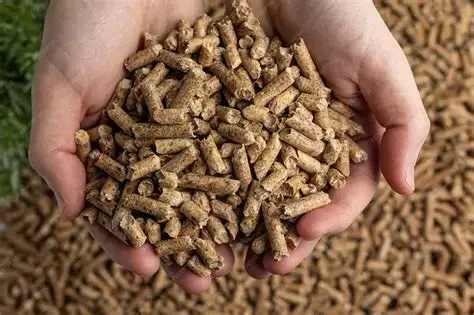
How Sustainable Wood Fuel Supports a Lower-Carbon Energy Future
The conversation around cleaner energy usually revolves around solar panels, wind turbines, and electric vehicles. But there is another quietly powerful player in the low-carbon future that often gets overlooked: sustainable wood fuel.
When produced responsibly and burned efficiently, it becomes one of the oldest and most reliable renewable energy sources humanity has ever used. And in a world looking for practical, scalable, and immediate ways to reduce carbon footprints, it deserves a much bigger spot in the conversation.
Here is how sustainable wood fuel is contributing to a cleaner, lower-carbon energy future, and why the way it is produced matters just as much as how it is used.
The Renewable Advantage of Wood Fuel
Unlike fossil fuels, which release carbon that has been locked away for millions of years, wood fuel operates within a much shorter, closed carbon cycle. Trees absorb carbon dioxide as they grow. When wood is burned, that same carbon is released back into the atmosphere. The critical part is that responsibly managed forests continually regrow, absorbing new carbon and keeping the cycle balanced.
This is what makes sustainable wood fuel fundamentally different from coal, oil, or gas. When forests are protected, replanted, and cared for, the carbon output stays close to net-neutral. That is a powerful advantage in the shift toward cleaner energy.
Why Responsible Forestry Is the Foundation
Sustainable wood fuel is not simply about cutting trees and drying them. It begins with responsible forestry. Well-managed forests are harvested selectively, replanted actively, and monitored carefully for long-term biodiversity. This preserves the health of ecosystems and ensures the carbon cycle stays intact.
Producers who embrace long-term thinking, Nordic-style sustainability practices, and modern forestry management make wood fuel a genuinely renewable resource rather than an extractive one. This foundation is what turns wood into a legitimate part of the clean energy future.
Why Kiln Drying Makes Wood Fuel Cleaner
Here is where a small technical detail makes a big environmental difference. The moisture content of firewood directly affects how cleanly it burns. Wet or unseasoned wood produces significantly more smoke, particulate emissions, and inefficient heat. Properly kiln-dried wood, on the other hand, burns hotter, cleaner, and more efficiently.
Kiln drying reduces moisture content to below 20 percent, which is the sweet spot for optimal combustion. The result is:
- Cleaner air quality in the home and community
- Lower particulate matter released into the atmosphere
- More heat output per log, which reduces the total wood needed
- Longer, more efficient burn times
- Less creosote buildup in chimneys and stoves
That combination makes kiln drying one of the most important steps in producing wood fuel that supports a lower-carbon future.
How Energy-Efficient Manufacturing Amplifies the Impact
Producing wood fuel is not just about drying logs. It requires significant energy at every stage, from harvesting to processing to distribution. This is why the most forward-thinking producers invest heavily in energy-efficient manufacturing. Modern kilns often reuse the byproducts of production, like sawdust and wood chips, to power the drying process itself.
That closed-loop model reduces waste, lowers reliance on external energy, and makes the finished product genuinely sustainable from start to finish. It is a small detail that adds up to a big environmental difference across an entire industry.
The Role of Quality in Sustainable Wood Fuel
Not all firewood is created equal. Sustainability, efficiency, and clean burning all depend on quality. That is why so many households and businesses looking for cleaner heating options are turning to producers offering premium kiln dried firewood logs that meet strict quality standards from start to finish. Buyers today want more than just heat. They want assurance that the wood they are burning has been sourced, dried, and produced with real care for the planet.
GoWood has built a strong reputation in this space, producing wood fuel with accuracy, efficiency, and deep respect for nature. Their commitment to Nordic sustainability values, responsible forestry, and energy-efficient production is exactly the kind of long-term thinking that makes wood fuel a genuine part of the lower-carbon energy future.
Wood Fuel as a Local, Reliable Energy Source
One of the most underrated benefits of sustainable wood fuel is how local and reliable it is. Solar panels depend on sunlight. Wind turbines depend on weather. Electric heating depends on grid stability. Wood fuel, by contrast, is a physical, portable, and highly reliable energy source that works even during storms, grid failures, and off-peak seasons.
For rural areas, remote communities, and homes that rely on wood stoves or biomass systems, sustainable wood fuel becomes both an environmentally responsible and practical choice. It provides warmth, resilience, and energy independence.
The Bigger Picture of a Cleaner Energy Future
A truly low-carbon energy future will not come from one solution. It will come from a diverse mix of clean sources, including solar, wind, hydro, geothermal, and yes, sustainable wood fuel. Each source has strengths, and each contributes something the others cannot. Wood fuel offers immediate, decentralized, and community-scale heating with a long history and a promising sustainable future.
The more producers commit to responsible sourcing and cleaner production, the more wood fuel can support the transition away from fossil fuels without adding new pressure to the planet.
Conclusion
Sustainable wood fuel has quietly become one of the most practical, renewable, and reliable pieces of the low-carbon energy puzzle. When forests are managed responsibly, wood is dried properly, and manufacturing is done efficiently, the result is a heating source that supports both the environment and the communities that depend on it.
As more producers embrace long-term thinking and Nordic-inspired sustainability, wood fuel is proving that clean energy can look like something as familiar and grounded as a good log burning in a warm home.