

4 Beach Destinations That Are Actually Doing Sustainability Right
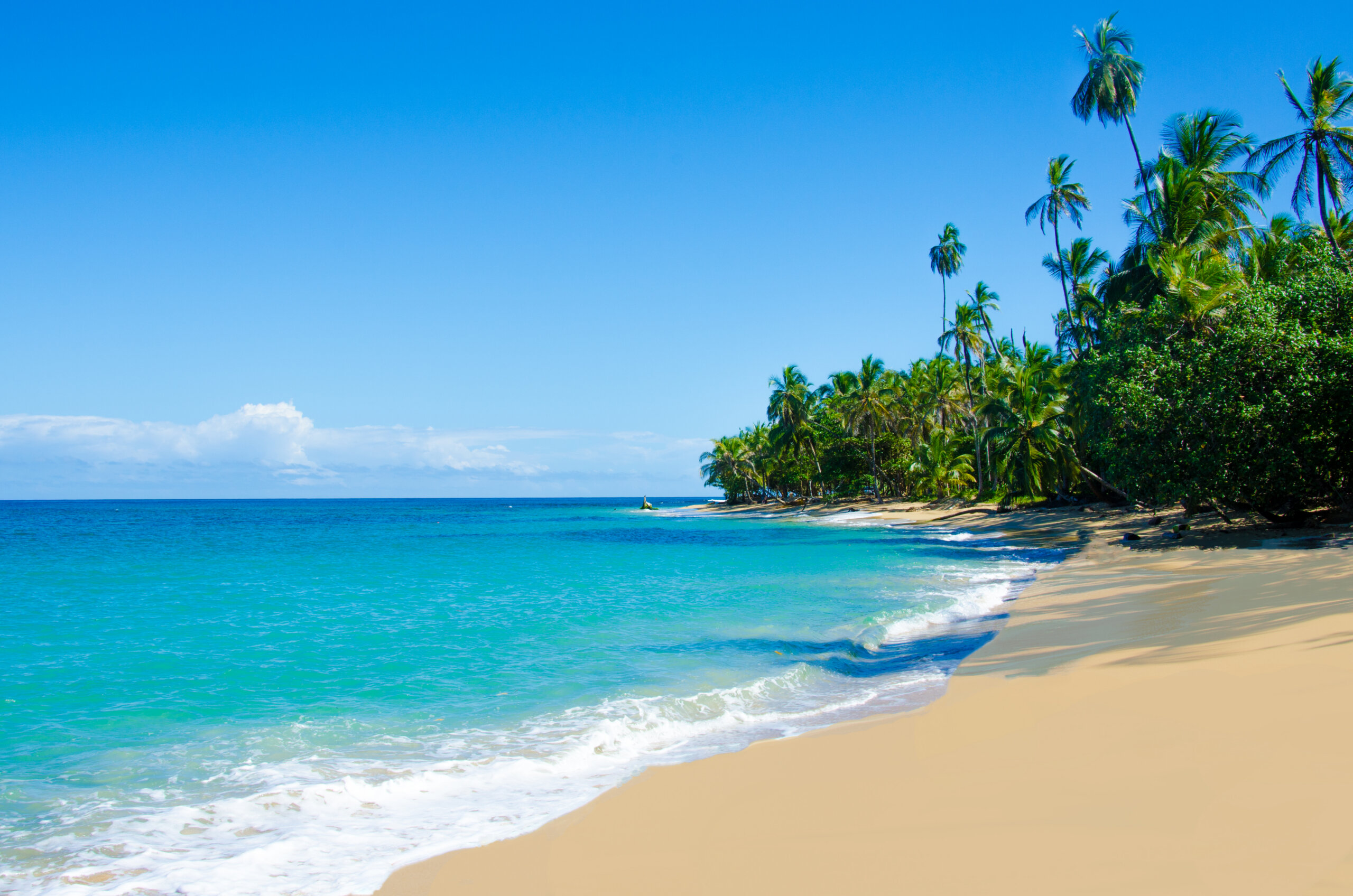
There’s a point where a beach stops being just a pretty stretch of sand and starts becoming something more intentional. You notice it in the small things. The water looks clearer, sure, but so does the way everything is managed. Waste bins aren’t overflowing. Wildlife doesn’t feel like it’s been pushed to the edges. Even the crowds behave a little differently.
Sustainability in beach destinations has quietly shifted from marketing fluff to something more measurable. Certifications, conservation programs, and local policies are starting to shape how these places function day to day. And while plenty of destinations claim to be eco-friendly, only a few are consistently putting in the work behind the scenes.
Here are four beach regions that aren’t just selling the idea of sustainability. They’re building it into the experience.
1. Los Cabos, Mexico
Los Cabos has always had the visual appeal locked in. Dramatic coastlines, deep blue water, and that desert-meets-ocean contrast that feels almost cinematic. What’s changed in recent years is the region’s seriousness about sustainability.
With 27 internationally certified Blue Flag beaches, the area is now setting a high bar for water quality, safety, and environmental management. These certifications aren’t handed out lightly. They require consistent monitoring, proper waste systems, and public education around conservation.
What makes Los Cabos interesting is how sustainability is being woven into development rather than treated as an afterthought. You’ll see this especially in newer residential communities. The rise of luxury real estate in Cabo isn’t just about ocean views and infinity pools anymore.
Developers are incorporating water-conservation systems, native landscaping, and low-impact designs that blend into the terrain rather than overpower it.
It creates a slightly different kind of luxury. One that feels quieter and more integrated with the environment, Del Mar Los Cabos notes. And for visitors, it translates into beaches that are not only beautiful but also noticeably well-managed.
2. Costa Rica
Costa Rica doesn’t just talk about sustainability. It keeps getting recognized for it on a serious global platform.
At the WTM Latin America Responsible Tourism Awards 2026, the country picked up top honors, and that’s not a casual win. These awards are part of World Travel Market Latin America, one of the region’s biggest industry events, where destinations are judged on real impact.
The awards focus on things that actually matter. Think biodiversity protection, community-led tourism, fair economic distribution, and long-term environmental planning. Entries are evaluated by experts who look at measurable outcomes, not just intent.
That’s where Costa Rica stands out. Along its Pacific coast, sustainability isn’t boxed into a few eco-projects. It’s built into how tourism operates. National parks, protected coastlines, and locally run businesses all connect into one system. You’re not just visiting a beach. You’re stepping into a model that’s been carefully designed to last.
3. The Maldives
The Maldives is in a slightly different position from most beach destinations. Sustainability here isn’t a branding choice. It’s a necessity. As one of the world’s lowest-lying countries, the stakes are obvious, and that urgency shows up in how tourism is structured.
According to government insights, sustainability is built into the system from the ground up. Before any resort is developed, it must go through a detailed Environmental Impact Assessment to ensure minimal damage to surrounding ecosystems.
What’s even more interesting is how resorts operate. Many are designed to be self-contained, handling their own waste, producing their own water, and generating their own energy. That level of independence reduces pressure on fragile island ecosystems.
So while the Maldives still delivers that postcard-perfect luxury, there’s a quieter layer underneath it. One where survival, policy, and sustainability are tightly linked, shaping how the entire coastline evolves.
4. Byron Bay, Australia
Byron Bay’s sustainability story isn’t just about keeping things small and laid-back anymore. It’s becoming more deliberate, and a recent wetlands restoration project proves it. Right in the heart of town, the Sandhills Wetlands have been brought back to life. It’s part of a $26 million resilience and environmental project tackling flooding and protecting nearby beaches.
This wasn’t a cosmetic upgrade. The site had been damaged decades ago by sand mining, and the restoration focused on rebuilding an actual ecosystem. Three large wetland ponds now filter stormwater before it reaches the ocean. This improves water quality at places like Clarkes Beach and creates habitat for birds and wildlife.
What makes it stand out is the approach. The project involved government agencies, local councils, and Aboriginal communities working together, blending environmental science with cultural knowledge.
It’s a reminder that sustainability here isn’t just about preserving what exists. It’s about actively repairing what was lost, and doing it in a way that makes the coastline more resilient for the future.
FAQs
What does it mean if a beach is a Blue Flag?
A Blue Flag beach meets strict international standards for cleanliness, safety, and environmental management. It must have excellent water quality, proper waste disposal, and trained lifeguards. The certification is regularly reviewed, meaning beaches must consistently maintain these standards to keep the designation.
What is meant by sustainable tourism?
Sustainable tourism means traveling in ways that protect natural environments and support local communities. It focuses on reducing environmental impact, conserving resources, and respecting local culture. The aim is to ensure destinations remain healthy, economically stable, and enjoyable for both current visitors and future generations.
How to make a beach house sustainable?
A sustainable beach house is designed to reduce environmental impact while blending with its surroundings. It often uses solar energy, efficient water systems, and natural ventilation. Choosing eco-friendly materials, managing waste responsibly, and using native plants helps preserve the local ecosystem and reduce long-term resource consumption.
In the long run, what separates a great beach from a meaningful one is how well it’s cared for. It’s easy to assume all beautiful beaches are the same. Soft sand, blue water, maybe a decent sunset if you’re lucky. But once you pay attention, the differences show up quickly.
Some feel overused, stretched thin by constant tourism. Others feel protected, almost intentionally preserved. That gap matters more now as travelers consider their impact. These regions aren’t perfect, and they don’t pretend to be.
What they’re doing is building systems that support long-term sustainability. Because beach travel isn’t just about where you go. It’s about whether it lasts.