

Sustainability | Renewable Energy

Home Blog

Keep Your Favorite Waters Swimmable


Swimming in Chemicals We Created

Every year, sunscreen, lawn chemicals, and runoff from city streets make their way into the beaches and lakes people love to swim in, and most of it traces back to everyday items. However, a few small shifts can keep your favorite waters swimmable for years to come. 

Sunscreen Chemicals Wash Into Recreational Waters

If you’re headed to the beach, you’ll probably be wearing sunscreen. The moment you jump into the water, it starts washing off your skin and into the surrounding ecosystem. Every year, an estimated 4,000 to 6,000 tons of sunscreen rinse off swimmers and into the oceans worldwide. 

The culprits are usually chemical UV filters like oxybenzone, octinoxate, and avobenzone. These ingredients accumulate in the water, where they can bleach coral, disrupt fish reproduction and work their way up the food chain to larger marine life. 

Look for mineral-based sunscreens with zinc oxide or titanium dioxide as active ingredients. These elements sit on top of your skin instead of soaking into it, and they’re less likely to harm marine life once they wash off.

Covering up with a rash guard, UV shirt, or wide-brimmed hat also reduces your need for sunscreen, which means less product ends up in the water in the first place. 

It’s a small habit shift, but when multiplied across the millions of people who swim in beaches and lakes each summer, it makes a real difference for aquatic ecosystems. 

Storm Drains Carry Street Pollution Into Lakes and Beaches

Every time it rains, everything on your street, from motor oil and pesticide overspray to plain old trash, funnels into storm drains. This runoff then goes straight into nearby waterways. Nonpoint source pollution like this is considered the top cause of water quality issues nationwide. 

Unlike contamination from a factory pipe dumping waste into a river, this kind of contamination has no single source, making it much harder to regulate or clean up. It’s the accumulation of everyday choices like washing your car in the driveway, over-applying weed killer, or letting leaves and debris build up near a drain. 

Small changes add up. Choose a car wash that filters and recycles its water, rather than hosing your car down at home. Sweep up yard debris and grass clippings instead of letting them wash into the street, and check your car for oil leaks before they turn into a slick on the pavement. 

If you’re doing any home projects, keep paint, solvents and other chemicals far away from storm drains, since anything that goes down them usually ends up in a lake or river untreated. Even something as simple as picking up after your dog helps, since pet waste is an overlooked source of bacteria in recreational water. 

Old Docks and Sewer Systems Add Pollution to the Water 

Sometimes the contamination isn’t coming from what you’re putting into the water, but from what’s already sitting in it. Older docks, piers, and waterfront structures are frequently built with pressure-treated wood that requires chemical sealants to resist rot and pests. Over time, those treatments leach into the surrounding water and put aquatic life at risk. 

Aging sewer systems also play a role. Heavy rainfall can overwhelm combined sewer systems, sending untreated wastewater directly into recreational waters. The EPA found that beaches nationwide were swimmable only 91% of the time in 2023, with stormwater runoff and sewer overflows among the most common culprits. 

The fix for dock owners is more straightforward than you might think. Materials like high-density polyethylene are designed to withstand the elements, making them low-maintenance.

Not needing chemical treatments to increase longevity means fewer chemicals leak into the surrounding water, unlike with treated wood docks. These modular systems also skip the foam filling found in many older floating docks, since that foam breaks down over time and adds yet another pollutant to the water. 

On the municipal side, supporting local investment in updated stormwater and sewer infrastructure is one of the most effective ways to reduce overflow events during heavy rain. By voting for or backing local water infrastructure projects, an individual can influence the problem at its source. 

Farm and Lawn Chemicals Fuel Unsafe Algal Blooms 

Fertilizers and pesticides applied to crops don’t always stay where they’re applied. Rain and irrigation carry excess nitrogen and phosphorus off fields and into nearby waterways.

Once that runoff hits the water, it can trigger harmful algal blooms that harm fish and can make the water unsafe to swim in. The same principle applies to overfertilized lawns closer to home. 

You can help from your backyard. Reducing how much fertilizer and pesticide you use on your own lawn keeps these elements from washing downstream every time it rains. Testing your soil before you fertilize means you only add what your plants actually need. 

If you want to go a step further, choosing native plants that need less fertilizer can reduce your chemical use while giving you a lower-maintenance yard in return. Supporting local farms that use cover crops or buffer strips also helps, as these practices capture runoff before it reaches the water.

Even a modest planted buffer along a ditch or creek bank can filter out a surprising amount of nutrient runoff before it travels any farther. 

Start a Ripple Effect

Every choice, from the sunscreen in your bag to the dock under your feet, adds up. Small swaps like mineral sunscreen, smarter lawn care, and low-maintenance materials can go a long way toward keeping beaches and lakes clean enough to actually enjoy.

The water’s waiting, so make sure it stays worth jumping in. 



Building a Greener Future


We’ve Certified Green Designs — Now Let’s Focus on Green Construction

You may have noticed more buildings gaining Leadership in Energy and Environmental Design (LEED) certification or other green labels that highlight energy efficiency and sustainability.

While these designations focus on the finished product, construction itself generates enormous waste, consumes tons of resources, and creates significant greenhouse gas emissions. Focusing on green construction could make the actual build process far more sustainable.

The Environmental Impact of On-Site Material Waste

Construction and demolition (C&D) represents one of the largest waste streams in the United States. The Environmental Protection Agency (EPA) estimated the United States generated 600 million tons of this debris in 2018, the latest year for which figures are available. 

While demolition accounts for over 90% of this total, construction still contributes a significant portion. The impact is twofold. Material takes up limited landfill space while wasting the energy and resources that went into manufacturing and transporting it.

Managing C&D Waste

There are several ways you could reduce material waste on jobsites:

  • Prefabrication and modular construction: Building structures in a controlled factory setting allows for precise measurements and cuts. They arrive ready to install, saving time and reducing scrap.
  • Just-in-time delivery: Scheduling deliveries to arrive as needed mitigates damage from weather exposure or accidental breakage during extended storage.
  • On-site waste stream separation: Designated bins for wood, metal, cardboard and other recyclables reduce material mixing, making recycling easier.

The Challenge of High Energy Consumption on Jobsites

A typical construction site runs on fossil fuels. Heavy machinery, diesel generators, temporary lighting and trailers all contribute to a substantial carbon footprint throughout a project’s timeline.

According to a United Nations report, 34% of global carbon dioxide emissions come from the building and construction sector. Smarter choices during the building process can bring the sector closer to net zero. 

Lowering On-Site Energy Use

New technologies and improved planning can reduce the footprint of active jobsites:

  • Portable renewable energy sources: Solar-powered generators can power site trailers and charge tools, eliminating the need for diesel generators.
  • Energy-efficient equipment: Electric heavy machinery operates efficiently and produces no idling emissions. It also requires less maintenance than diesel engines since electric motors have fewer moving parts.
  • On-site microgrids with renewables: Research shows microgrids can cut carbon emissions by 80%, with some hybrid solar-wind systems achieving even greater reductions.
  • Smart scheduling: Planning systems can schedule work to maximize natural light, reducing the need for temporary lighting systems while improving working conditions.

The Problem With Construction’s Heavy Water Footprint

Water is used extensively on building sites, including for dust control, surface and equipment cleaning, and mixing materials such as concrete and mortar. Much of this is potable, making these activities significant drains on resources in regions facing water scarcity.

Moreover, runoff carries sediment and chemicals from materials and machinery into local waterways. The EPA notes that sediment runoff from construction sites is typically up to 20 times greater than from agricultural land and up to 2,000 times greater than from forested land.

Adopting Water-Efficient Practices

You can reduce construction sites’ water consumption and pollution. Sweeping surfaces instead of hosing them down helps control dust. Collecting rainwater in tanks creates a free, nonpotable source for dust suppression and equipment washing. You can also install filtration systems to treat runoff before it leaves the site, thereby protecting local water quality.

Why Equipment Downtime Is a Key Sustainability Issue

When construction equipment breaks down, the environmental impact may be significant. Idle machines continue running while getting no work done. Transporting replacement parts or backup machinery generates additional emissions. Older, less efficient substitutes increase the carbon footprint until repairs are complete.

The average construction crew spends over 35% of its time on nonproductive activities, often linked to equipment issues. Every lost hour extends project timelines and prolongs environmental impact.

Shifting to Predictive Maintenance and Electrification

Modern telematics systems use sensors and data analytics to monitor machine performance in real time. This predictive maintenance approach identifies potential failures before they happen, allowing repairs during planned downtime. The result is fewer breakdowns and more consistent operation.

Electrification reduces maintenance needs substantially and eliminates idling emissions entirely, as electric motors draw no power when stopped.

Right-sizing the fleet also minimizes sustainability problems. Use project management software to accurately determine the required equipment, ensuring machines match the actual work rather than operate inefficiently when oversized.

The Hidden Environmental Cost of Wasted Worker Time

No matter your role, you are familiar with inefficiencies at work. In construction, inefficiency directly impacts sustainability. When you wait for materials or receive unclear instructions, the project timeline extends. That means prolonged energy use for lighting and heating trailers, as well as additional commuting emissions. 

Applying Lean Workflow Principles

Lean construction focuses on maximizing value while minimizing waste. Pull planning schedules work backward from the finish date to identify the optimal sequence of activities. This prevents situations where you arrive ready to work but can’t proceed.

Sustainable materials themselves can speed up the process. For example, because glulam is prefabricated, using it eliminates the need to wait for concrete to dry before electrical and plumbing work can proceed. This minimizes wasted worker time and reduces the chance of delays.

How Rework and Errors Undermine Sustainability

Rework represents a double environmental hit. When you must redo major tasks, you waste the materials, energy, and labor you invested in the original work. Then, you must consume additional resources to correct the mistake.

Using Technology to Prevent Costly Mistakes

Building information modeling (BIM) creates detailed 3D digital models of construction projects before any physical work begins. This allows you to identify clashes between systems and resolve design problems virtually. Research indicates BIM can reduce rework rates by up to 25% through better information transparency.

Digital tablets and cloud-based project management ensure everyone works from the current plans. When changes occur, updates are sent to all team members immediately. This real-time communication prevents costly miscommunication errors.

Building a Greener Future Starts With the Process

The construction industry is working to address issues of waste, excessive energy use, and inefficient workflows. All these improvements add up to a lower environmental footprint. As the push for change gathers speed, you can be confident that green building is evolving to encompass how things are built and how they perform once finished.

The next frontier in sustainable construction is making the process itself as efficient and low-impact as the structures it creates.


Natural Agents to Clean Mold


Greener Clean: Natural Mold Killers That Actually Work

Indoor mold is a global problem that affects 22.1% of 14 European countries, Australia, and New Zealand, to name some regions. In the US, mold prevalence is at 33%, while in the UK, 28% of people are reported to be living in damp and moldy homes.

The presence of mold in a house is not only an unsightly smudge on the wall or a musty odor, but it also impacts human health and the physical structure of a building.

While the natural instinct is to grab the strongest chemical and blast the ugly patch, this practice is also unhealthy and dangerous. Chemicals emit harsh fumes that can get into a person’s lungs and damage surfaces.

The bright spot is that nature offers several highly effective, non-toxic compounds that can destroy mold spores without contaminating indoor air quality.

Full Strength White Vinegar

Unluckily, mold spores are everywhere, although people react to them in different ways. Hence, it is vital to know if there is mold indoors. For example, black mold appears after water damage that has not been properly cleaned up.

It may also be present in places with high humidity or little to no airflow. Exposure to black mold can cause mild to severe symptoms. Those with underlying conditions may experience respiratory or neurological issues. Therefore, if there is suspicion of black mold at home, a mold remediation specialist can remove the spores and toxins following industry standards.

One of the most effective natural solutions for mold removal is undistilled white vinegar. It is a mild acid that contains about 5% acetic acid. According to a 2015 study, vinegar containing 4-4.2% acetic acid was effective at removing Penicillium chrysogenum, a green mold commonly found in decaying vegetation and in water-damaged indoor environments. 

Tea Tree Oil

If cleaning up mold with vinegar does not work well, tea tree oil is a natural agent that has shown consistent results in removing multiple mold species. The study by Roganwansamy and others evaluated several antifungal agents for the treatment of mold contamination in indoor environments.

Of the five agents tested, including 2 multi-purpose industrial disinfectants, tea tree oil in both liquid and vapor form demonstrated the greatest growth inhibition against several mold species.

It also outperformed vinegar in treating fungal contamination indoors. In effect, tea tree oil was the most effective agent tested against fungal contamination according to the study.  

Baking Soda

Sodium bicarbonate, or baking soda, is readily available and safe for the entire family. It kills mold while absorbing the musty odor. Baking soda is simply mixed with water and sprayed on contaminated surfaces for tough scrubbing. It is often used alongside vinegar or hydrogen peroxide to scrub away mold on surfaces.

Note that baking soda is milder than vinegar and therefore ineffective at removing aggressive spores. In addition, it does not penetrate porous materials like drywall to get to the root of the problem.

In this regard, baking soda can only treat surfaces. While  baking soda is also excellent at absorbing ambient moisture, it will not fix the main cause or root of the humidity, meaning that the mold infestation will likely return.

Prevention Is the Greenest Option

The truth is, no natural or chemical product can fix a chronically damp environment. Hence, moisture control is an immediate priority because the spores and toxins can establish themselves within 24-48 hours of water exposure.

Keep indoor humidity below the threshold levels needed for mold to thrive. Aim to maintain a 30-50% indoor humidity as standard guidance to prevent mold from appearing. Run exhaust fans during and after showers and cooking.

Be mindful of leaks that might easily go undetected, like the faucet in the basement or cracks in the ceiling. Fix leaks quickly and dry water-damaged areas immediately to prevent mold growth. For dust cleanup, use a HEPA vacuum, as this type of filtration captures minute particles, including mold spores.

Mold affects indoor environments and carries real health concerns and costs. For everyday mold on surfaces, the efficacy of natural cleaners like undiluted white vinegar and tea tree oil is backed by antifungal testing studies. They also produce far fewer harmful byproducts and residues.

These natural agents are gentler on household members and the water supply. As part of an overall strategy, moisture control and prompt leak repairs address the root cause of the problem. In any case, for bigger patches or for black mold, bring in professional remediation teams as soon as possible because DIY natural cleaners are best suited to small, surface-level problems.


Sustainable Outdoor Water Features


Sustainable Ways to Care for Outdoor Water Features

Outdoor water features bring movement, tranquility, and wildlife into any garden, but they also require ongoing care to stay healthy and attractive. By adopting sustainable maintenance practices, you can reduce water waste, lower energy consumption, and create a thriving environment for plants and beneficial wildlife.

Small changes to your routine can make a significant difference while keeping your water feature looking its best throughout the year.

Choose Eco-Friendly Cleaning Methods

Avoid relying on harsh chemicals to clean ponds, fountains, or waterfalls. Instead, remove leaves, algae, and debris manually using nets or brushes. Regular maintenance prevents excessive buildup, reducing the need for stronger cleaning products later.

Natural treatments, such as beneficial bacteria and barley straw products where appropriate, can help maintain water clarity while supporting the ecosystem. Cleaning little and often is more sustainable than waiting until the feature requires intensive restoration.

Conserve Water Whenever Possible

Water conservation should be a priority when maintaining outdoor water features. Rather than draining and refilling your pond or fountain frequently, top up water levels only as needed. Rainwater collection systems provide an excellent source of untreated water for replenishing evaporation losses.

Checking regularly for leaks in liners, pumps, or pipework also prevents unnecessary water waste. Even a small leak can result in significant water loss over time and increase maintenance costs.

Use Energy-Efficient Equipment

Modern pumps and filtration systems are far more energy-efficient than older models. If your equipment is outdated, upgrading to an energy-saving pump can reduce electricity usage while maintaining excellent water circulation.

Solar-powered fountains and aerators are another environmentally friendly option, particularly in sunny locations. These systems harness renewable energy while helping keep water moving, reducing stagnation and supporting healthier water quality.

Encourage a Natural Balance

Healthy ecosystems require balance rather than constant intervention. Adding a variety of aquatic plants helps absorb excess nutrients that would otherwise encourage algae growth. Floating plants provide shade, helping to regulate water temperature while reducing evaporation.

Native plants around the edge of your water feature can also attract pollinators, birds, and amphibians, creating a richer garden habitat. Avoid overcrowding the water, but aim for a diverse mix of species that naturally support one another.

Reduce Organic Debris

Leaves, grass clippings, and garden waste quickly decompose in water, contributing to poor water quality and algae blooms. Regularly skim the surface and trim surrounding plants to minimize debris entering the feature.

Installing protective netting during autumn can greatly reduce leaf accumulation without affecting the appearance of the pond for long periods. Compost any collected organic material rather than sending it to landfill, allowing nutrients to be returned to your garden sustainably.

Maintain Pumps and Filters

Well-maintained equipment lasts longer and performs more efficiently. Inspect pumps, filters, and pipework regularly for blockages or wear. Cleaning filters according to the manufacturer’s recommendations helps maintain good water circulation while reducing strain on the motor.

Routine inspections also allow you to identify small issues before they become expensive repairs, extending the lifespan of your entire water feature system.

Support Wildlife Responsibly

Outdoor water features often become valuable habitats for frogs, dragonflies, birds, and beneficial insects. Avoid using chemicals that may harm wildlife, and provide gently sloping edges or stones that allow animals to safely enter and exit the water.

If fish are present, avoid overfeeding them, as excess food contributes to poor water quality and unnecessary nutrient buildup. A balanced ecosystem naturally requires less maintenance over time.

Know When Professional Help Is Needed

While routine maintenance can be handled by many homeowners, larger ponds or water features sometimes benefit from expert attention. Professional servicing can improve water quality, inspect filtration systems, and resolve developing problems before they become costly.

If your feature requires a deeper clean, pond cleaning services from Aqua Maintenance can help restore and maintain your outdoor water feature while supporting its long-term performance.

Conclusion

Sustainable care is about working with nature rather than against it. By conserving water, using efficient equipment, encouraging healthy plant growth, and carrying out regular preventative maintenance, your outdoor water feature can remain beautiful while reducing its environmental impact.

A thoughtful maintenance routine not only saves time and money but also creates a healthier, more vibrant garden that can be enjoyed for many years to come.


Sustainable Circular Design


Designing for Decomposition: Jordanna Ibghy Is Rethinking the Architecture of Death

For most of the built environment, sustainability is the goal. Buildings are engineered to last, materials chosen to resist decay, structures designed to outlive their makers. Jordanna Ibghy, a designer trained in architecture, spent years working within that logic before turning it on its head — asking what it would mean to design for decomposition rather than against it.

That question has become the foundation of her practice. As founder and lead designer of Urth Ritual, Ibghy has developed a line of mycelium-based coffins and urns for a funeral industry that has changed little over the past century. Mycelium, the root structure of fungi, is not a conventional design material.

It has to be cultivated rather than sourced, and it behaves nothing like the wood, metal, or stone that funerary design has relied on for generations. Translating it into objects precise enough for ritual use, strong enough to serve their function, and simple enough to return fully to the earth after burial required Ibghy to build a design vocabulary largely from scratch.

“Every material decision in architecture is really a decision about time — how long something is meant to last, and what happens after,” Ibghy has said of the work. “I wanted to design something honest about the fact that it’s all meant to be transformed.”

That framing is where Ibghy’s training as an architect shows most clearly. Long before founding Urth Ritual, she studied the built environment not just as structure but as a system of cycles — how materials move from raw form to function, and back again — and how design can make that cycle visible rather than hide it.

Her graduate research examined embodied movement through landscapes shaped by ritual and memory, from the Camino de Santiago to the Kumano Kodo, work that now informs the way she designs for death care: not as a clinical endpoint, but as a passage with its own material and spatial language.

That thinking carries through in the designs themselves. Ibghy’s work is unadorned and precise — organic in material but architectural in form, drawing on the same discipline of proportion and material honesty that defines her broader design practice.

Rather than design for a niche environmentalist market, she built her practice around what she describes as “everyday people who appreciate natural beauty” — a deliberate choice that reflects a designer’s instinct for audience as much as an entrepreneur’s. 

In doing so, Ibghy has effectively originated a design category that barely existed before she began envisioning it: funerary design built around biology instead of preservation, treating decomposition not as a problem to be solved but as the final, natural stage of a life well lived.

It’s a quiet but significant contribution to the broader conversation, covered elsewhere in these pages, about what sustainable design looks like when applied to industries that sustainability advocates rarely consider.

As cities and industries alike look for models of genuinely circular design, Jordanna Ibghy’s work stands out as an example of what happens when an architect’s eye for material cycles is turned toward one of design’s oldest, most avoided problems: how we let things end.


Tips for Eco-Conscious Driving


Eco-Conscious Driving Without Buying Electric

Electric vehicles get a lot of attention, but they are not the only path toward cleaner driving habits. For many vehicle owners, eco-conscious driving without buying electric begins with getting more useful life and better efficiency from the car they already own.

That approach takes discipline since neglected maintenance carries an environmental cost. Small decisions behind the wheel and in the service bay shape how responsibly a vehicle performs over time.

Maintain the Vehicle Before Efficiency Drops

A poorly maintained vehicle has to work harder than it should, which usually means it burns more fuel for the same trip. Regular oil changes, clean filters, proper fluid levels, and timely spark plug replacement help the engine operate with less strain.

Tire pressure deserves steady attention because underinflated tires create drag and reduce fuel economy. Even simple enhancements that make your car more eco-friendly should begin with correcting the mechanical issues that quietly waste energy.

Drive With Less Waste

Driving behavior directly affects emissions, regardless of the vehicle’s power source. Hard acceleration and long idling burn extra fuel without adding meaningful value to the trip.

A steadier pace ensures the engine stays within a more efficient operating range, particularly during daily commuting. Planning errands with fewer cold starts reduces unnecessary fuel use because engines run less efficiently before reaching proper temperature.

Choose Repairs Over Early Replacement

Replacing a vehicle too soon carries environmental weight because manufacturing another car requires raw materials and transportation. Keeping a dependable vehicle in service longer reduces that demand, provided the car remains safe and efficient.

Smart repairs and routine inspections both support sustainability by extending vehicle longevity, preventing a useful vehicle from being discarded too early. However, sustainability still requires judgment, since repeated major repairs on an inefficient vehicle might outweigh the benefits of keeping it.

Reduce Extra Load and Drag

Extra weight forces the engine to use more fuel, so a lighter vehicle is usually cleaner. Removing unused cargo from the trunk is a practical step, particularly when heavy items sit there for weeks.

Roof racks and cargo boxes create wind resistance when left on after a trip, which reduces efficiency at highway speeds. Once the vehicle is carrying only what it needs, every mile requires slightly less effort.

A lower-impact driving routine is built into the choices that happen long before a vehicle reaches the end of its life. For owners who are not ready to replace their current vehicle, eco-conscious driving without buying an electric vehicle makes responsibility practical and consistent.

The cleanest choice is not always the newest one; sometimes it is the one that keeps a dependable vehicle performing with purpose.


Sustainable Paint Work Practices


5 Tips To Minimize Overspray and Reduce Paint Waste

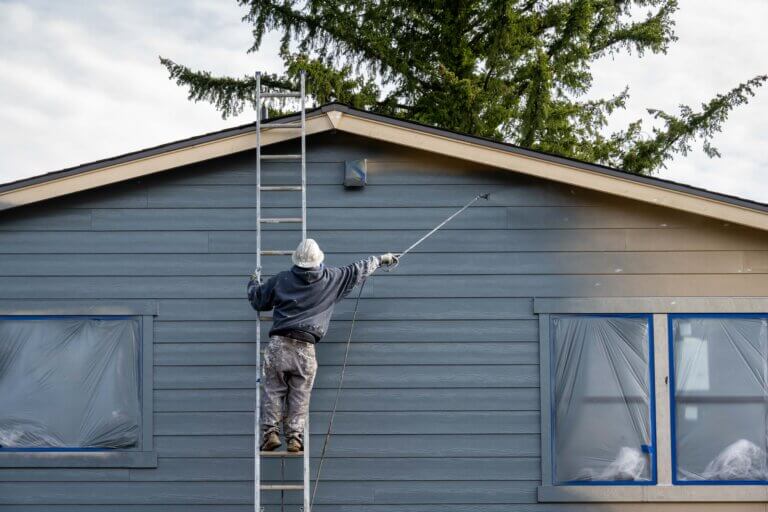
Paint work can get messy fast when overspray takes over. Whether you run a body shop, manufacturing line, refinishing booth, or small painting operation, wasted paint cuts into your budget and creates extra cleanup work. Overspray also affects finish quality, slows production, and increases the amount of material your team must handle after each job.

The good news is that better habits, equipment choices, and cleanup methods can help you control waste without making the process harder. When your team understands where overspray starts, you can improve efficiency and get cleaner results from each coating application. These tips will help your team minimize overspray and reduce paint waste.

1. Choose the Right Spray Equipment

Your spray gun plays a major role in how much paint reaches the surface. A poorly matched gun can send too much material into the air rather than onto the part. High-volume, low-pressure spray guns often help painters improve transfer efficiency because they apply coating with less force.

Nozzle size also affects waste. A tip that’s too large can flood the surface and create heavy buildup. A tip that’s too small can force the painter to make extra passes. Match the nozzle to the coating, surface size, and finish requirements, so your team can apply paint with more control.

2. Dial In the Spray Settings

Air pressure, fluid flow, and fan pattern all affect overspray. When painters use too much pressure, the spray can bounce off the surface and drift around the booth. Lower pressure, when the coating allows it, can help more paint land where it belongs.

Your team should test settings before full application. A quick spray pattern check can reveal uneven flow, spitting, or a fan that’s too wide. Careful adjustments help painters reduce waste before the job begins. This step also helps teams paint in eco-friendly ways because every saved ounce reduces excess material and cleanup demand.

3. Improve Painter Technique

Even great equipment can waste paint when technique falls short. Painters should hold the spray gun at a consistent distance from the surface and keep the gun perpendicular during each pass. Angling the gun can send paint past the target, creating uneven coverage.

Overlap also needs attention. Too much overlap wastes product, while too little creates thin spots that need correction. A steady pace helps the coating land evenly. When painters move too slowly, the surface may collect too much paint. When they move too quickly, they may need extra coats.

4. Control the Spray Environment

Air movement can help or hurt your results. Strong drafts, poor booth airflow, or dirty filters can push overspray away from the target and spread particles across the work area. A clean, well-maintained spray booth gives painters better control and helps protect the finish.

Surface preparation also reduces waste. Clean, dry surfaces accept coatings more evenly, which lowers the need for rework. Rework wastes paint, solvent, labor, and booth time. Good prep may not feel exciting, but it often saves money before the first coat goes on.

5. Manage Cleanup and Recovery

Paint waste doesn’t end when spraying stops. Cleanup choices can affect costs, compliance, and sustainability. Shops that use solvent-based coatings should review how they collect, store, and process leftover material. Solvent recovery can help with overspray waste by reclaiming usable solvent from contaminated material, which can reduce disposal needs and lower purchasing costs.

Teams should also track how much paint they mix for each job. Overmixing creates leftover coating that may go unused. Better job records help painters estimate material more accurately over time.

Better Control Starts With Better Habits

Overspray and paint waste can drain profits little by little, but following the tips above will help you reduce waste and save money. Small improvements in equipment setup, spray technique, booth maintenance, and cleanup planning can create meaningful savings across many jobs.

A cleaner process also helps your team work with more confidence. When paint lands where it should, finishes look better, cleanup takes less time, and waste becomes easier to manage. With the right habits in place, your shop can protect its materials, reduce unnecessary costs, and produce cleaner results from every spray application.


Climate Change Fuels Wildfire Risk


The Impact Climate Change Has on Wildfires

Wildfires have always played a role in many natural landscapes, but today’s fires often burn hotter, spread faster, and last longer. Climate change doesn’t start every wildfire, but it creates conditions that help fires grow out of control. Hotter temperatures, drier vegetation, and longer dry spells all turn forests, grasslands, and neighborhoods into places where fire can move quickly.

Hotter Days Dry the Land

Heat pulls moisture from soil, trees, brush, and grasses. When temperatures stay high for long periods, plants dry out faster. Dry vegetation catches fire more easily, and flames can move through it with surprising speed.

A small spark can come from lightning, equipment, power lines, or a careless mistake. When the land is already dry and stressed, that spark can turn into a dangerous fire much more quickly. Climate change raises the odds of those dry, high-risk conditions in many regions.

Longer Dry Seasons Create More Risk

Many communities now deal with longer stretches of warm, dry weather. Rain may come later than expected, snow may melt earlier, and forests may spend more time without enough moisture. These shifts increase the chances of fires starting and spreading.

That’s one reason wildfire seasons are changing. Some areas no longer experience a short, predictable fire season. Instead, residents may face smoke, fire danger, evacuations, and air quality alerts across more months of the year.

Wind and Weather Add Pressure

Climate change can also influence weather patterns, making fires harder to control. Strong winds can push flames across roads, ridges, and firebreaks. Dry air can pull even more moisture from plants. Sudden heat waves can raise fire danger within days.

Fire crews work hard to protect communities, but extreme weather can limit their options. Fast-moving flames can force urgent evacuations and make containment more difficult.

Smoke Affects Daily Life

Wildfires don’t only damage forests and homes. Smoke can travel hundreds or even thousands of miles. People far from the flames may still breathe smoky air, cancel outdoor plans, or keep children inside.

This traveling shows how climate impacts our health in direct ways. Wildfire smoke can irritate the eyes, throat, and lungs. It can also make daily life harder for older adults, children, outdoor workers, and people with breathing conditions.

Communities Can Prepare

People can’t control the weather, but communities can lower fire risk. Homeowners can clear dry leaves, trim branches near roofs, and create defensible space around buildings. Local leaders can improve evacuation planning, support forest management, and share clear alerts during dangerous conditions.

Individuals can also prepare go bags, watch local air quality updates, and use indoor air filters during smoky days. These steps don’t stop climate change, but they help families respond faster when fire danger rises.

A Clearer Path Forward

As you can see, climate change impacts wildfires in many ways. Those changes affect homes, landscapes, air quality, and public health. When communities understand the connection, they can plan smarter, reduce local risks, and support choices that protect people and the places they love.


Build a More Sustainable Future


Green Building Tips: Maintaining Your Cooling Tower

Cooling towers rarely get attention until they stop performing well—and by then, rising energy costs and equipment issues are already underway. When it comes to green buildings, maintaining your cooling tower is one of the simplest ways to boost efficiency and cut waste, often outperforming flashier sustainability upgrades. Every inspection and cleaning protects both the environment and your operating budget.

Why Cooling Towers Matter

Cooling towers help keep buildings comfortable while enabling industrial and commercial facilities to control heat efficiently. When they operate at peak performance, they reduce unnecessary energy use and conserve valuable resources throughout the cooling process.

Performance begins to decline when mineral deposits or debris interfere with heat transfer. These issues force equipment to work harder than necessary, increasing electricity consumption and shortening the lifespan of critical components.

Prevent Scale Before It Spreads

Scale buildup is one of the most common obstacles to sustainable cooling. Minerals naturally present in water settle onto internal surfaces over time, forming an insulating layer that reduces heat transfer. Equipment must compensate for the lost efficiency, thereby increasing operating costs and environmental impact. Many facility managers benefit from understanding exactly why deposits develop and what they affect.

Water Quality Shapes Performance

Water treatment deserves ongoing attention because every cooling tower depends on balanced chemistry. Stable water conditions reduce corrosion and limit mineral accumulation before it becomes difficult to remove.

Routine testing also creates opportunities to make informed adjustments instead of reacting after performance drops. These small corrections often prevent expensive repairs while supporting long-term sustainability goals:

  • Testing water chemistry on a consistent schedule
  • Removing debris before it restricts airflow
  • Inspecting mechanical components for early signs of wear
  • Cleaning heat-transfer surfaces before deposits accumulate

Efficiency Supports Sustainability

Energy efficiency extends well beyond lowering utility bills. Buildings that reduce unnecessary energy demand also decrease greenhouse gas emissions while placing less strain on local infrastructure. That connection makes preventive maintenance an important part of responsible environmental stewardship. Many sustainable building strategies complement proper cooling tower maintenance rather than replacing it.

Small Habits Create Long-Term Results

Sustainability rarely depends on one dramatic improvement. Instead, steady maintenance habits produce measurable gains year after year because equipment continues operating closer to its intended performance.

Documentation strengthens those efforts by revealing gradual changes that might otherwise escape notice. Maintenance records often expose recurring trends, allowing building operators to address developing issues before efficiency begins to decline.

Build a More Sustainable Future

Every cooling tower reflects the choices made throughout its operating life. Regular inspections, thoughtful water management, and prompt maintenance protect equipment while reducing energy consumption and conserving resources. Those practices strengthen building performance without requiring major investments or complicated technology.

The best green building tips for maintaining your cooling tower focus on consistency rather than quick fixes. As you continue looking for practical ways to improve sustainability, remember that lasting environmental progress begins with the equipment already working behind the scenes.


Cut Building Carbon Emissions


How Calgary Buildings Can Cut Carbon Without Major Renovations

You don’t have to gut your building to cut carbon emissions. In many cases, smaller upgrades make a real difference. The challenge, however, is deciding where to start. Many owners begin with expensive upgrades before identifying where energy is actually being lost.

If you own or manage a commercial building in Calgary, heating costs likely account for a large share of your energy bill. The city’s long winters put extra pressure on building systems. That’s why every improvement should solve a clear problem. 

A few well-planned changes can lower emissions, reduce operating costs, and improve building performance. It starts with understanding how your building works today. Then you can make upgrades that fit your budget and deliver steady results.

Know Where Your Building Is Wasting Energy First

Your first step is simple. Measure how your building performs before making any changes. 

An energy audit or benchmarking report shows where your building uses the most energy. It also highlights systems that consume more power than those in similar buildings. That makes it easier to decide what deserves attention first. 

Without that information, you’re making expensive decisions with limited facts. Fortunately, collecting that information has become much easier. The City of Calgary allows eligible buildings to request aggregated energy data from utility providers. 

If your building has 10 or more tenants, you can request aggregated energy data directly from utility providers. The city combines all meters into a single “virtual meter,” providing monthly whole-building energy data without exposing tenant-level information. 

These aggregated requests are usually submitted once a year, making it easier to track building performance over time. Registered BenchmarkYYC participants can also recover up to $2,250 in eligible data aggregation costs through the Building Energy Data Rebate. 

With that information in hand, you can compare your building with similar properties and plan upgrades based on actual performance. Once you know where energy is slipping away, your next decisions become much easier.

Get More From the Systems You Already Have

Heating and cooling systems often use more energy than any other building system. That doesn’t mean replacing every system is the right first step. 

Many buildings improve performance through better controls, balanced airflow, updated scheduling, and regular maintenance. Together, these improvements help existing systems work harder with less energy. They also cost far less than replacing everything at once.

Many property owners consult Calgary HVAC professionals before planning large construction work. They identify inefficient equipment and improve existing systems before recommending upgrades for Alberta’s climate.

BVCM notes that consistent HVAC oversight improves system optimization and makes troubleshooting more efficient over time. That practical advice is also supported by independent research. 

A 2025 paper published in the journal Buildings and Cities found that retrofit decisions should align with a building’s existing HVAC layout. For example, buildings with fan coil units can often use air-to-water heat pumps. 

Buildings with hot-water radiators may be better suited to high-temperature water-to-water heat pumps. This approach limits unnecessary system redesign while supporting lower-carbon retrofits. 

That is why evaluating your current system first often delivers better results than replacing it outright.

Better Building Management Pays off Over Time

Installing better equipment is only the beginning. Daily operations also shape how much energy your building uses. Heating schedules should match occupancy, while building controls should respond to changing demand.

Regular inspections can catch worn parts before they waste energy or create larger repair bills. Calgary’s BenchmarkYYC program shows what consistent building management can achieve. 

According to the City of Calgary, more than 200 participants competed across eight building categories in 2024. Participants receive annual whole-building performance scorecards, recommended energy efficiency measures, cost-saving opportunities, and tailored training. 

The program also recognized eight commercial properties for improving energy performance. One award went to the Calgary Board of Education for Catherine Nichols Gunn School’s emissions reductions. 

These results show how consistent tracking supports better building management. Small operational changes may seem minor at first, but they lower energy use and emissions over time.

Plan Today’s Upgrades With Tomorrow in Mind

Every upgrade should fit into a longer plan because each improvement supports the next one. For example, you might replace controls this year and improve insulation later.

That steady approach keeps projects manageable while improving building performance over time. It also helps you avoid replacing equipment before it reaches the end of its useful life.

These individual decisions also support a much larger goal. According to the City of Calgary’s 2024 Community-wide GHG Inventory, the city produced over 16 million tonnes of carbon dioxide equivalent emissions in 2022. 

Commercial buildings remained among the city’s largest sources of emissions, alongside residential buildings and waste. Tracking emissions each year helps identify where building efficiency improvements can have the greatest long-term impact.

That long-term perspective also reflects how retrofit experts think about building improvements. As sustainability specialist Yetunde Abdul puts it: “Retrofits need a clear strategy. They don’t have to happen all at once.”

That same thinking applies to your building. Each upgrade paves the way for the next, helping to reduce emissions without creating unnecessary costs.


People Also Ask

Are there financial incentives for commercial energy retrofits in Calgary?

Yes. The City of Calgary offers the Commercial Clean Energy Improvement Program. It provides up to 100% low-interest financing, capped at $ 1 million, for building upgrades. Repayments are added to your property tax bill, helping spread project costs over time.

What is energy benchmarking for commercial buildings?

Energy benchmarking compares your building’s energy use with similar properties. It helps you identify unusually high consumption and measure improvement over time. Many owners use benchmarking to prioritize upgrades, track energy-saving projects, and support applications for sustainability programs or performance-based building initiatives.

What are the most cost-effective non-structural building retrofits?

Smart lighting conversions and high-efficiency weather stripping are highly effective options. Upgrading to commercial LEDs immediately reduces electricity demand, while sealing architectural gaps locks in existing heat. Both micro upgrades drastically lower energy consumption in cold climates without requiring any invasive or costly construction work.

Calgary Building Efficiency by the Numbers

Building Energy Data Rebate Up to $2,250 cost recovery; whole-building “virtual meter” data collection; minimum threshold of 10 tenants.
HVAC Layout Compatibility Study HVAC layout-based retrofit planning; Fan coil units → Air-to-water heat pumps; Hot water radiators → High-temperature water-to-water heat pumps; Reduced system redesign
Community-wide GHG Inventory 16+ million tonnes of CO2e measured in 2022; commercial buildings flagged as a primary contributor to the sector footprint.
Clean Energy Improvement Program 100% low-interest financing; maximum $1 million funding cap per property; multi-year repayment via property tax bills.

A Smarter Path to Lower Building Emissions

You can lower your building’s carbon footprint without starting a major renovation. The process begins with understanding how your building uses energy. 

Once you know where improvements matter most, you can make upgrades that solve real problems instead of assumed ones. From there, you can improve heating and cooling systems, manage operations more carefully, and plan future upgrades. 

Over time, those decisions lower emissions, reduce operating costs, and improve building performance. That’s a practical path for almost any commercial building in Calgary.


Cut Building Carbon Emissions 53864 blog

Cut Building Carbon Emissions 53864 blog